November 25, 2026
Homeowners looking to modernize their indoor comfort often discover that heat pump installation offers a reliable, practical path forward. Unlike older heating and cooling setups that depend on separate pieces of equipment, a modern heat pump handles both winter warmth and summer cooling through an integrated system. For households dealing with uneven room temperatures, rising utility bills, or aging heating equipment, upgrading to a heat pump brings dependable year-round performance without unnecessary complexity.
Exploring how these systems operate makes it easier to see why so many families are making the switch from traditional oil or gas heating. From cleaner indoor air to flexible room-by-room climate control, modern heat pumps solve everyday comfort challenges across every season. Below are the core practical reasons why investing in a heat pump makes sense for your home.
1. Improve Efficiency and Energy Use
Heat pumps stand apart from conventional heating equipment because they move existing heat rather than burning fuel to generate warmth from scratch. During colder months, the system extracts ambient heat from the outdoor air and transfers it inside your home. In warmer weather, the process reverses to pull indoor heat outside. Because transferring heat requires far less electricity than creating it through combustion or electric resistance, households consume less energy throughout the year. Modern units also feature high Seasonal Energy Efficiency Ratio ratings, meaning they convert electricity into steady cooling power with minimal energy waste.
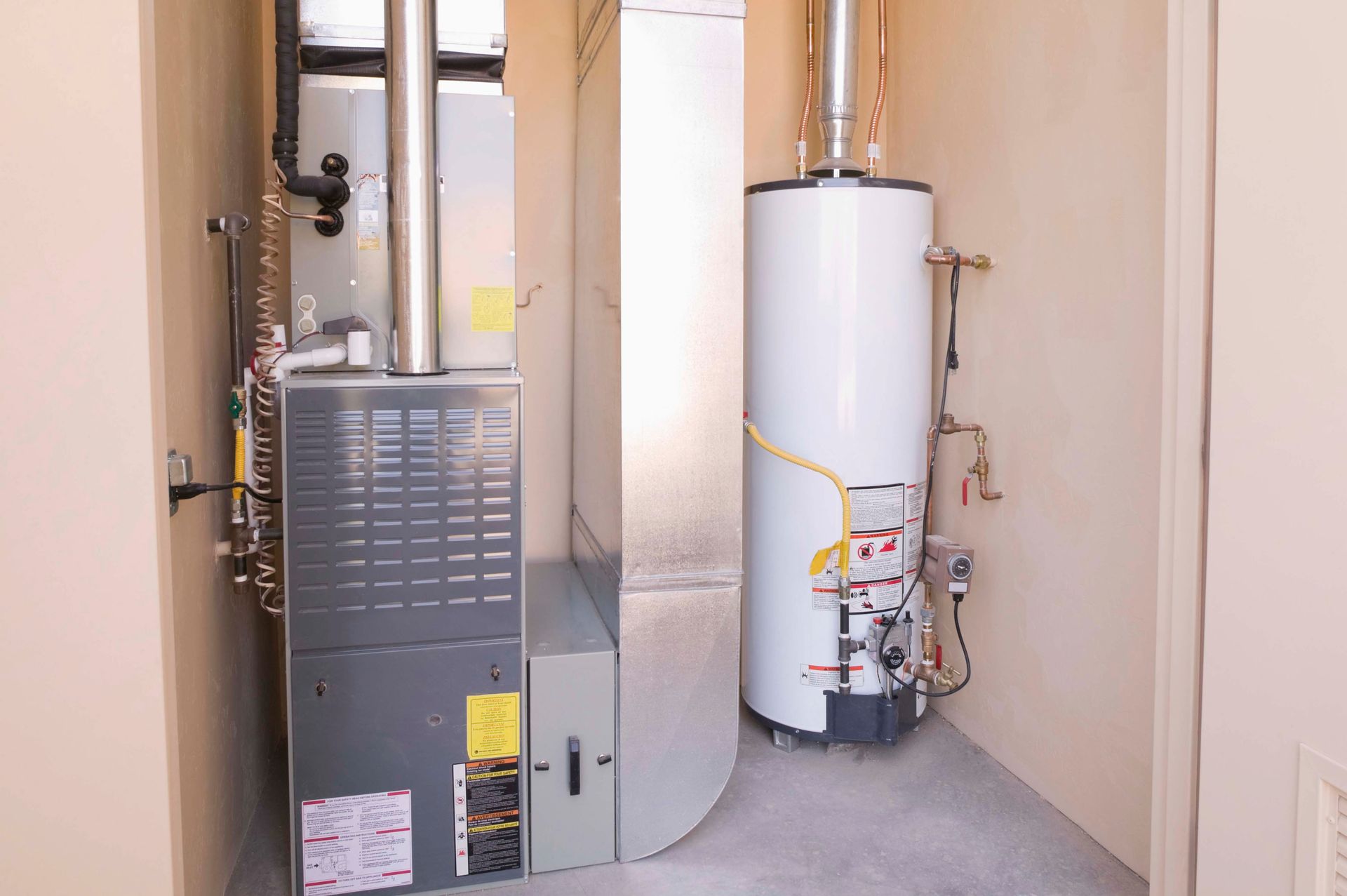
Comparing a heat pump with a traditional HVAC setup highlights even greater efficiency advantages. Conventional homes often use a furnace or boiler for winter heat alongside a separate central air conditioner for summer cooling, which forces homeowners to maintain multiple aging systems. Combining both functions into a unified solution simplifies home climate management and eliminates fossil fuel combustion on your property. Participating in local energy efficiency programs such as Mass Save can also help homeowners take advantage of state rebates and incentives designed to encourage high-efficiency upgrades.
2. Reduce Waste and Utility Bills
Lowering monthly utility expenses is a major priority for homeowners tired of watching energy bills climb every winter and summer. Because heat pumps optimize energy usage by drawing warmth from ambient outdoor air, they deliver consistent indoor temperatures while using less power than older oil, gas, or electric resistance systems. This balanced operation prevents energy spikes during peak weather swings and keeps utility bills far more predictable from season to season. Over time, reduced electricity and fuel demand translates into meaningful relief for your monthly energy expenses.
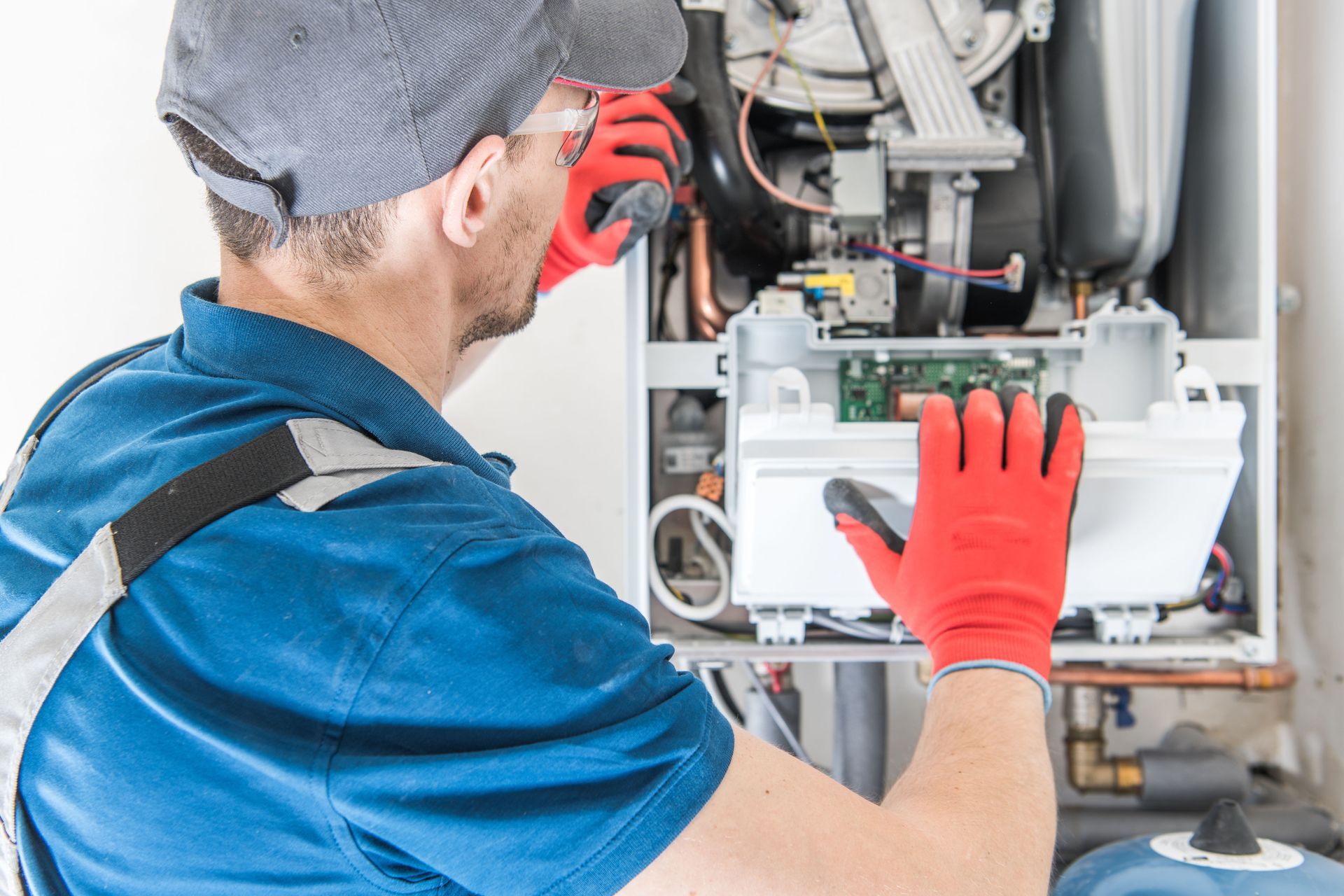
Upgrading aging equipment also protects homeowners from pouring money into constant service calls and replacement parts. According to Today's Homeowner, homeowners should think about replacing a heating system once it passes the 15-year mark or begins needing frequent repairs. Choosing heat pump installation at that stage allows you to retire an inefficient furnace or boiler before major mechanical failures occur. Because heat pumps use a straightforward mechanical design without burners, flues, or pilot lights, they experience less component wear and require less intensive upkeep over their operating lifespan.
3. Lower Emissions and Carbon Footprint
Reducing a household's environmental impact becomes much simpler when you eliminate on-site fuel combustion. Traditional furnaces and boilers burn heating oil, propane, or natural gas, releasing carbon dioxide and other greenhouse gases into the atmosphere. By contrast, heat pump installation relies on electricity to transfer heat between the outdoors and your living spaces, producing no direct carbon emissions at your home. As power grids incorporate more wind and solar generation, electric heat pumps become even cleaner to operate over time.
Cleaner operation also improves local air quality inside and around your property. Because heat pumps do not burn fossil fuels, they avoid generating harmful combustion byproducts such as nitrogen oxides, carbon monoxide, and fine particulates. Eliminating fuel storage tanks and exhaust flues removes potential leak hazards while supporting healthier indoor air for your family. Transitioning from oil or gas to a modern electric heat pump aligns your home with regional clean-air initiatives and long-term sustainability goals.
4. Enhance Comfort and Climate Control
True indoor comfort depends on steady, even temperatures rather than sudden blasts of hot or cold air. Conventional furnaces often cycle on and off abruptly, leaving certain rooms overheated while hallways or upper floors remain chilly. Modern heat pumps run at a steady pace and adjust output to match your home's exact heating or cooling load, maintaining balanced warmth in winter and crisp, comfortable air in summer. This consistent climate control eliminates frustrating temperature swings and keeps every corner of your living space inviting.
Homeowners also gain remarkable control over individual rooms and noise levels through heat pump installation. Ductless mini-splits and multi-zone systems let family members set customized temperatures in specific bedrooms, home offices, or additions without wasting energy on unoccupied areas. At the same time, modern indoor air handlers and outdoor condensers feature sound-dampening components and insulated casings that keep operation whisper-quiet. You enjoy peaceful, customized comfort indoors and out without loud mechanical clatter disrupting your daily routine.
5. Upgrade Filtration and Air Quality
Ongoing engineering improvements have transformed modern heat pumps into sophisticated air-management systems capable of handling demanding New England weather. Today's models incorporate variable-speed inverter compressors and advanced refrigerants that maintain strong heating capacity even when outdoor temperatures drop. Rather than running at full blast and shutting down, variable-speed components modulate airflow smoothly, improving both comfort and mechanical durability. Choosing professional heat pump installation ensures your equipment is sized and calibrated to perform reliably through humid summers and freezing winters.
Beyond temperature regulation, modern heat pumps play an active role in keeping indoor air clean and healthy. Built-in multi-stage filtration systems capture airborne dust, pollen, pet dander, and household allergens before air circulates back into your rooms. During sticky summer months, continuous low-speed airflow also removes excess indoor humidity, preventing clammy air and discouraging mold growth. For family members dealing with seasonal allergies or respiratory sensitivities, cleaner filtration and balanced moisture levels make everyday living far more comfortable.
6. Simplify Retrofits and Home Integration
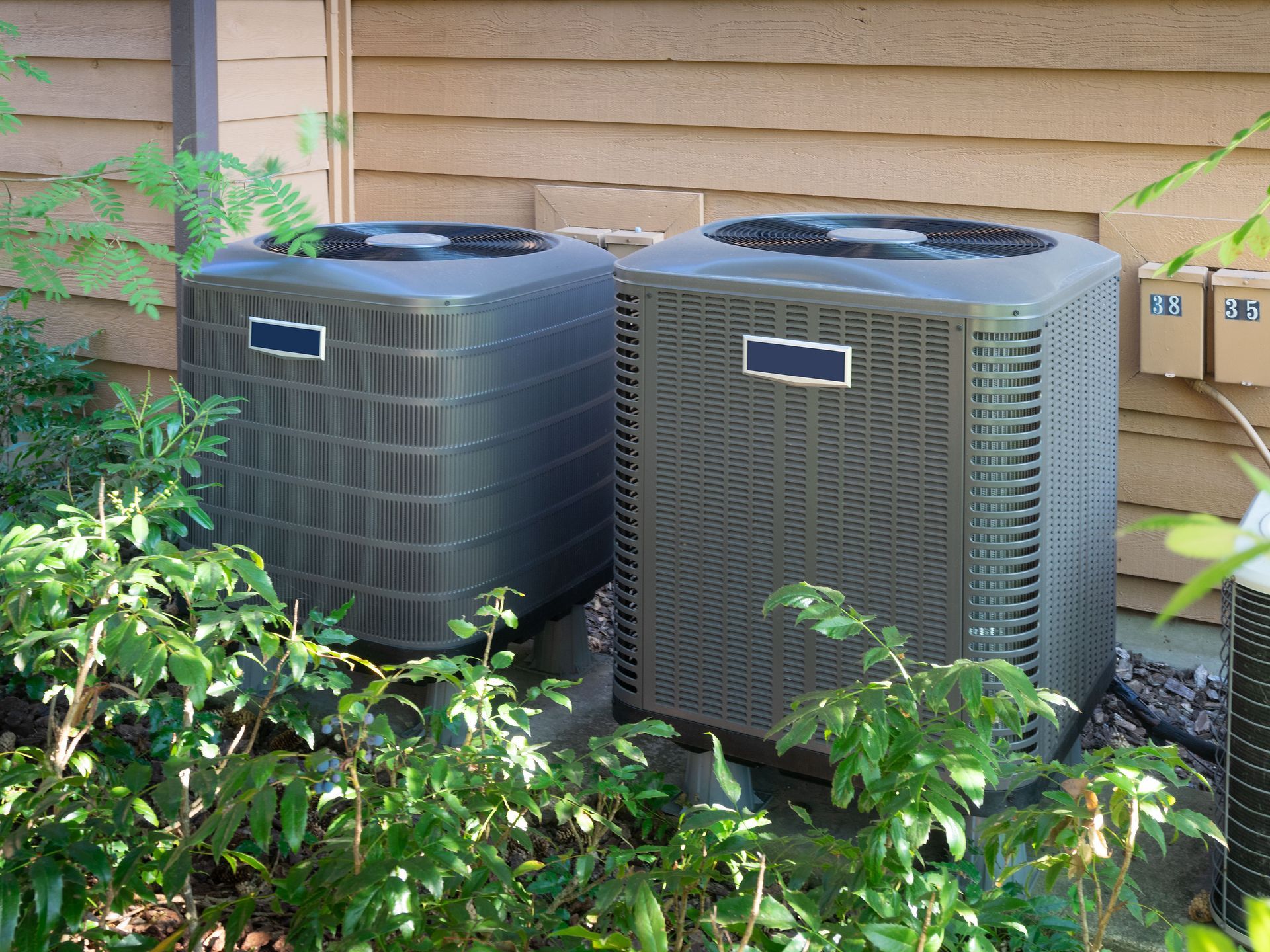
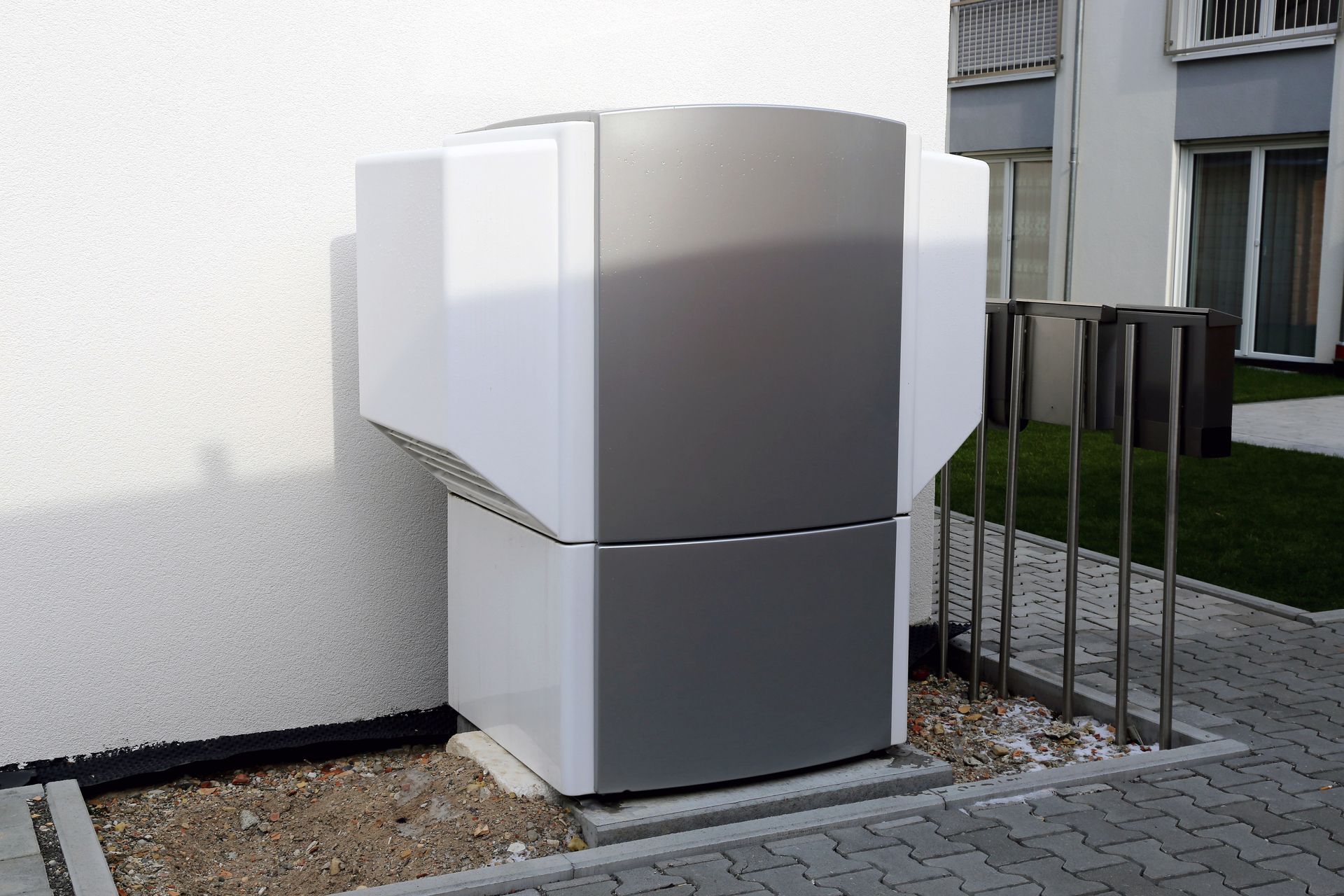
Every house has a unique floor plan, and heat pumps adapt to a wide range of residential layouts without requiring major structural changes. Whether you live in a compact coastal cottage, a split-level home, or a spacious multi-story residence, flexible equipment configurations fit into tight spaces with ease. Compact outdoor units take up minimal yard space, while sleek wall-mounted, ceiling-recessed, or ducted indoor units preserve your interior layout and aesthetic appeal. Eliminating bulky separate furnaces and condensers frees up valuable basement or utility closet room.
Retrofitting an older property is straightforward with modern heat pump installation, whether your home already has ductwork or relies on baseboard radiators. Homeowners with existing ducts can upgrade to a whole-home ducted heat pump, while houses without ductwork can adopt ductless mini-splits with minimal disruption during setup. Scalable multi-zone designs also make it simple to expand capacity later if you finish a basement or build a sunroom. Scheduling your upgrade gives your home an adaptable, future-ready comfort solution built around your exact needs.
Making the switch to a modern heat pump brings together energy efficiency, quieter performance, cleaner indoor air, and dependable year-round temperature control. Whether you are planning a full oil or gas to heat pump conversion or adding targeted comfort to specific rooms, heat pump installation delivers lasting value for your household.
We are committed to helping local homeowners enjoy reliable, high-efficiency comfort tailored to their homes and seasonal needs. Reach out to our team today to schedule your consultation, and let us handle your next comfort upgrade at Cooper Lane Heating & Cooling.