October 23, 2026
Choosing the right heating and cooling system can influence your household expenses, indoor comfort, and energy consumption. If your home currently relies on an oil or gas furnace, converting to a heat pump may offer a more efficient way to maintain comfortable temperatures throughout the year. However, the right time to make this change depends on your existing equipment, energy costs, and property requirements.
Understanding when a heat pump conversion makes sense can help you plan an upgrade that meets your household's needs. By evaluating your current system and considering the benefits of heat pump installation, you can determine whether switching to this versatile technology is a practical investment.
Signs Your Existing Heating System Needs an Upgrade
Your Furnace or Boiler Is Approaching the End of Its Lifespan
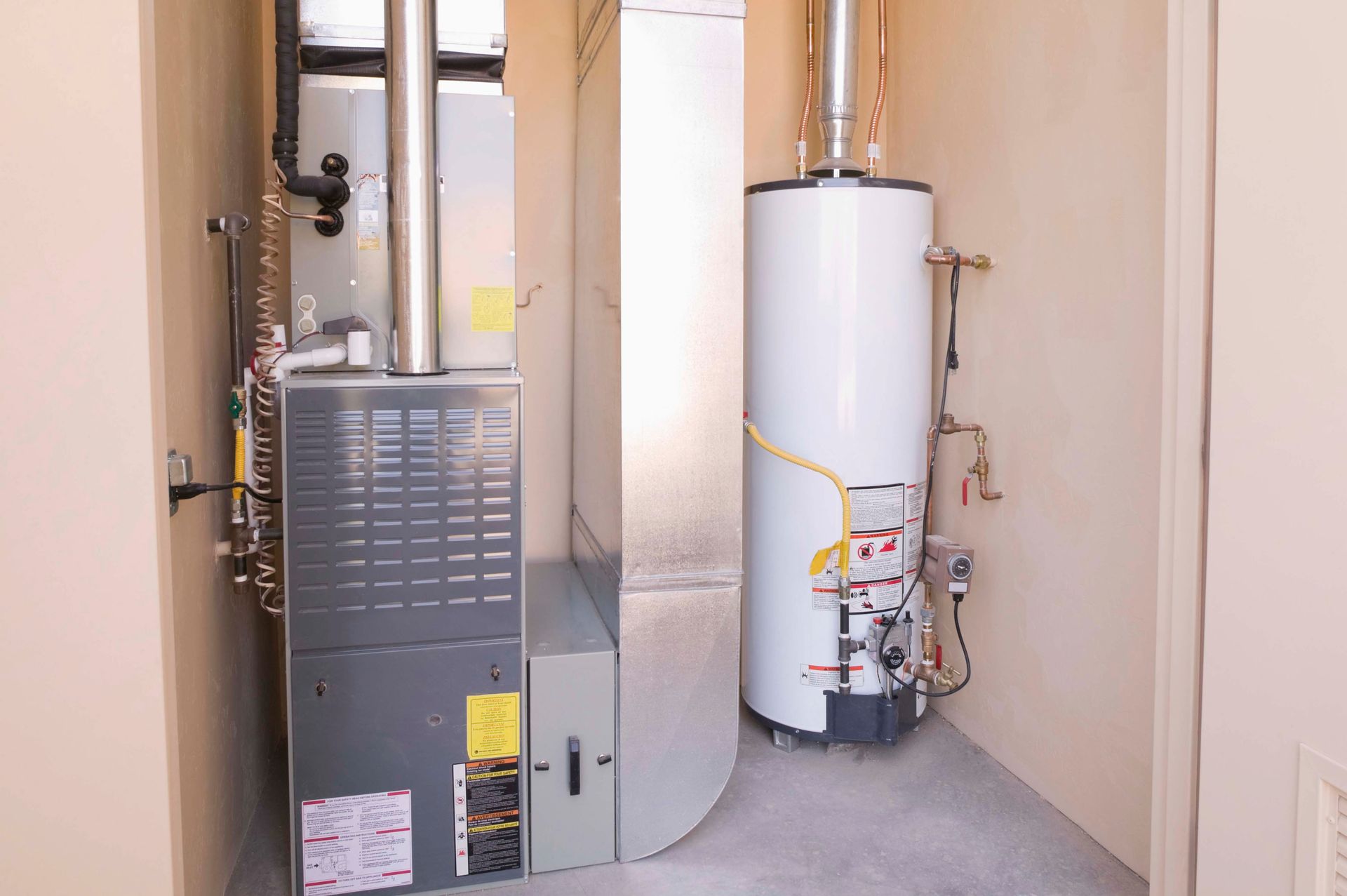
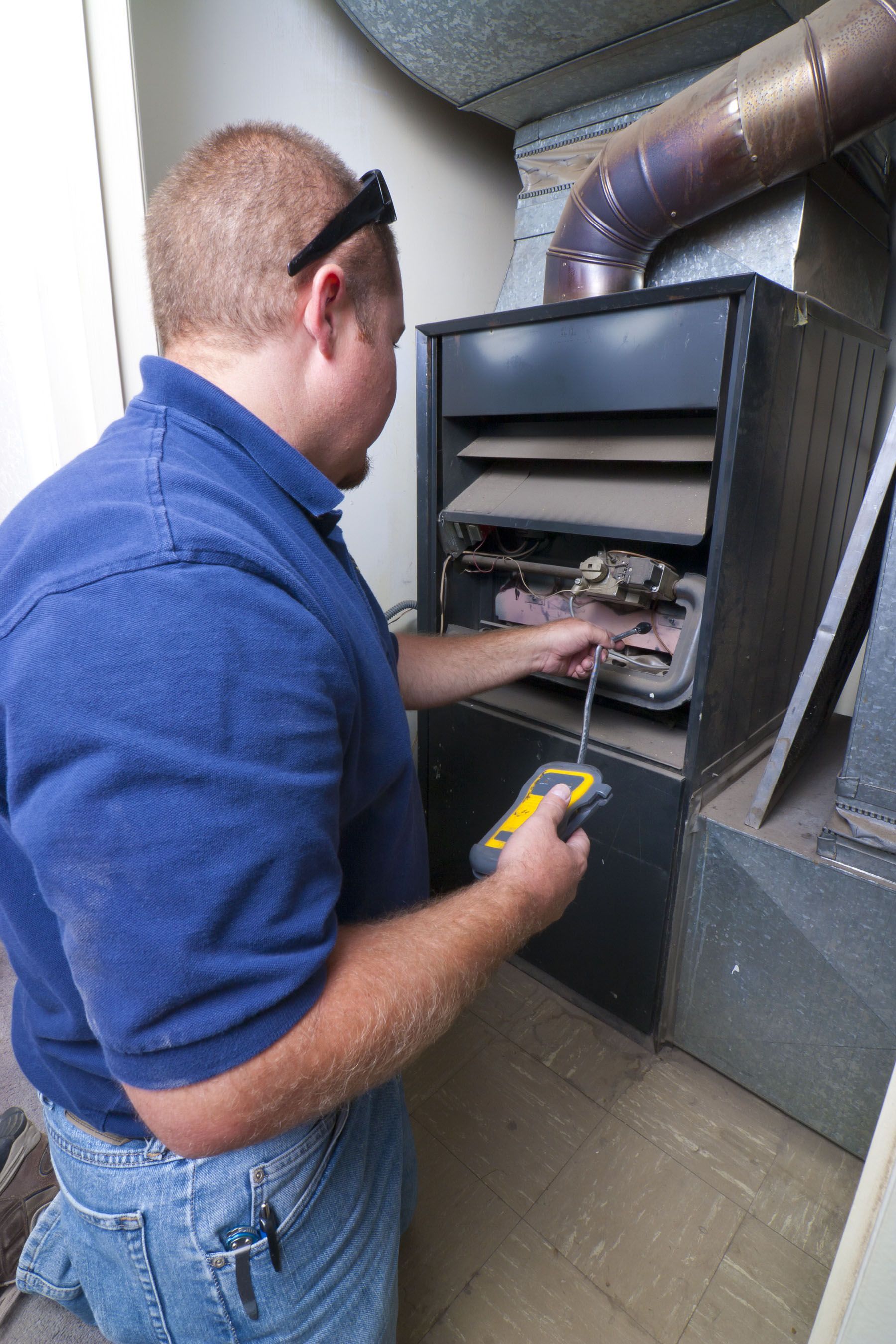
Older heating equipment can become less efficient as components wear down and operating performance declines. If your oil or gas furnace frequently needs repairs, struggles to maintain consistent temperatures, or requires increasingly expensive service, it may be time to consider an alternative. Rather than investing heavily in aging equipment, homeowners can evaluate whether heat pump installation offers a more suitable long-term solution.
The age of your current system is another important consideration. Equipment that has operated for many years may no longer deliver the performance your household needs. Although age alone does not determine when replacement is necessary, combining it with repair frequency, energy consumption, and comfort concerns can help you make an informed decision.
Heating Costs Continue to Increase
Rising fuel expenses can make an older heating system increasingly expensive to operate. Oil and gas prices fluctuate, which can complicate household budgeting during colder months. If heating costs remain high despite reasonable thermostat settings and regular maintenance, comparing your current system with a heat pump may reveal opportunities to reduce energy consumption.
Heat pumps transfer existing heat instead of relying on combustion to generate warmth. This operating principle can make them more energy-efficient than conventional heating equipment under appropriate conditions. Before committing to a conversion, evaluate your current fuel costs, electricity rates, and expected heating demands to determine whether a different system could provide meaningful savings.
Your Home Experiences Uneven Heating
Some homes have rooms that remain chilly even when the heating system runs continuously. Uneven temperatures can result from equipment limitations, inadequate insulation, air leaks, or an improperly sized system. If routine maintenance and straightforward improvements fail to resolve these problems, a heating system evaluation can help identify the underlying cause and determine whether a conversion would improve comfort.
A properly planned heat pump installation considers the property's layout, insulation, and heating and cooling requirements. This assessment helps establish the appropriate system capacity and configuration for your home. Addressing insulation problems and other building performance concerns alongside the conversion can further support consistent indoor temperatures.
Household Changes That Make Heat Pump Conversion Worth Considering
You Want Heating and Cooling From One System
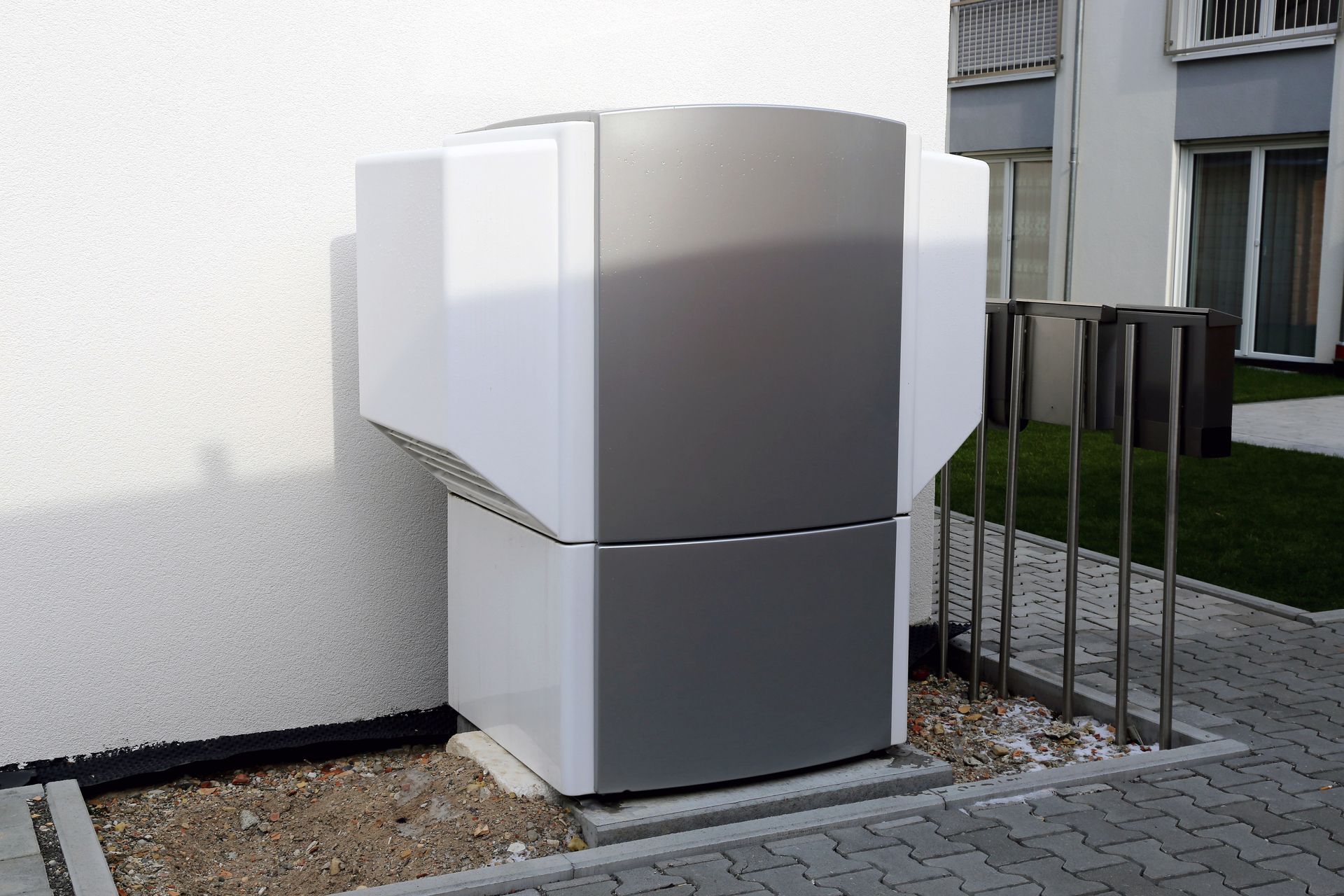
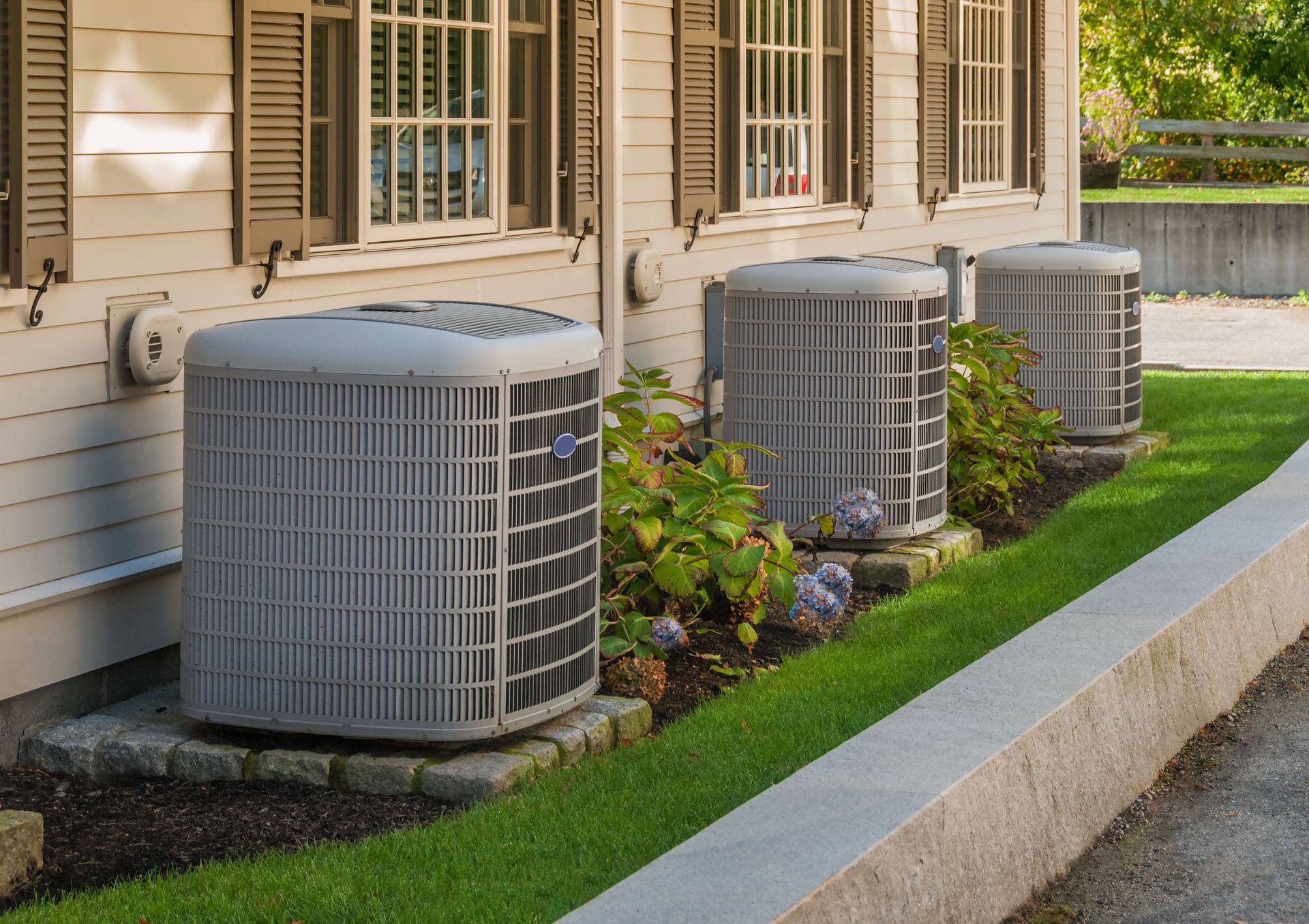
Traditional homes may use separate equipment for heating and cooling, requiring homeowners to maintain multiple systems. A heat pump combines both functions, providing warmth during colder months and cooling when outdoor temperatures rise. According to This Old House, heat pumps operate through a two-way system that collects heat from the surrounding environment during winter and moves indoor heat outside during summer.
This dual-purpose design can simplify year-round climate control while reducing the need for separate heating and cooling equipment. Homeowners planning to replace an aging furnace and an older air conditioner may find that heat pump installation provides an opportunity to consolidate their equipment into one coordinated system.
You Are Planning a Home Renovation
A renovation can create an ideal opportunity to reconsider your home's heating and cooling arrangements. Projects involving insulation, window replacements, additions, or major interior changes may affect how much heating and cooling capacity your property requires. Evaluating your HVAC system during the planning stage allows you to coordinate equipment selection with the home's updated layout.
Heat pump installation can be incorporated into a broader renovation plan to help accommodate changing comfort requirements. For example, finishing a basement or converting an unused room into a living space may introduce new temperature control needs. A professional assessment can determine whether the existing equipment remains suitable or whether a different system configuration would better serve the renovated property.
You Want to Reduce Your Household's Environmental Impact
Homeowners who want to reduce their reliance on fossil fuels may consider switching from oil or gas heating to an electric heat pump. Because heat pumps transfer heat rather than generate it through fuel combustion, they can offer an alternative to conventional heating methods. Their overall environmental impact depends on factors such as electricity generation, system efficiency, and household energy use.
For homeowners interested in making their properties more energy-efficient, heat pump installation can be one part of a broader improvement strategy. Sealing air leaks, improving insulation, and maintaining appropriate indoor temperatures can help reduce heating and cooling demands. Combining these measures with an appropriately sized heat pump may improve overall household energy performance.
Financial and Practical Considerations Before Converting
You Can Take Advantage of Available Incentives
The initial cost of converting from oil or gas heating to a heat pump can influence whether the project fits your budget. Expenses may include equipment, labor, electrical work, and modifications needed to accommodate the new system. Although the upfront investment can be significant, available rebates or other incentives may help reduce eligible project costs.
Homeowners in Massachusetts may qualify for incentives through programs such as Mass Save, depending on current eligibility requirements and the proposed system. Reviewing these opportunities before scheduling heat pump installation can help you understand the potential financial benefits and prepare a more accurate project budget.
Your Property Can Accommodate the Right System
Not every home has identical heating and cooling requirements. Factors such as square footage, insulation quality, ceiling height, window placement, and local winter temperatures influence equipment selection. A professional load calculation helps determine the system capacity needed to maintain comfortable indoor conditions without unnecessary energy consumption.
A thorough assessment before heat pump installation can also identify electrical requirements, equipment placement considerations, and opportunities to improve building efficiency. Discussing these details with an experienced HVAC contractor helps establish realistic expectations and minimizes the risk of choosing equipment that does not adequately serve your home.
You Are Ready to Plan for Long-Term Performance
A successful conversion involves more than selecting equipment and completing the installation. Homeowners should also understand the maintenance requirements, warranty coverage, and expected operating characteristics of their new system. Regular inspections, clean filters, and prompt attention to performance issues can help maintain efficient operation and reduce the likelihood of unexpected breakdowns.
If you live in a region with cold winters, ask about equipment designed to operate in low outdoor temperatures. Proper system sizing and installation are especially important for maintaining indoor comfort when heating demands increase. Your contractor can explain how the proposed system is expected to perform under local weather conditions and whether supplemental heating may be appropriate for your home.
Homeowners should consider a heat pump conversion when aging heating equipment, rising fuel costs, uneven temperatures, or plans for home improvements create an opportunity for change. Combining heating and cooling in one system can simplify household climate control while potentially reducing energy consumption and operating expenses. Reviewing your property's requirements, available incentives, and long-term costs will help you determine whether the upgrade makes financial and practical sense. Contact Cooper Lane Heating & Cooling to schedule a consultation and learn how a heat pump conversion can improve your home's comfort and energy efficiency.