September 18, 2026
A furnace can seem straightforward from the outside: it turns on, produces warm air, and shuts down when the home reaches the desired temperature. When something goes wrong, however, a technician may investigate parts of the system that most homeowners rarely notice. Some checks involve airflow, electrical signals, safety controls, drainage, or the condition of surrounding components.
That broader inspection is an important part of furnace repair because a symptom does not always point directly to the source of the problem. A furnace that cycles strangely, produces weak airflow, or refuses to start may have an underlying issue that is not obvious from the thermostat or visible cabinet.
Inspect the Thermostat and Control Signals
The thermostat is one of the first places a technician may look when a heating system behaves unexpectedly. Beyond checking the displayed temperature, a professional can examine whether the thermostat is communicating the proper call for heat. Wiring, settings, connections, and control signals can all affect how the furnace responds.
This matters because a furnace can appear to be malfunctioning when the problem is actually related to the equipment telling it when to operate. During furnace repair, checking the thermostat and its communication with the heating system can help prevent unnecessary work on components that are functioning normally.
Examine Airflow Beyond the Filter
Most homeowners know that a dirty filter can restrict airflow, but a technician may investigate much more than the filter itself. The condition of return-air pathways, supply ducts, registers, blower components, and other airflow-related areas can influence how efficiently heated air moves through the home.
Restricted airflow can also affect how the furnace operates internally. If air cannot move as it should, the system may respond by shutting down or behaving inconsistently. A furnace repair technician can look for signs of airflow problems that are difficult to identify simply by standing near a vent and feeling the temperature of the air.
The blower assembly itself can deserve attention as well. Dust accumulation, unusual movement, worn parts, or other visible concerns may affect the amount of air being circulated. Because the blower plays a central role in moving conditioned air, its condition can influence both comfort and system operation. Looking beyond the filter gives a technician a fuller picture of what the furnace is actually doing.
Check Safety Switches and Limit Controls
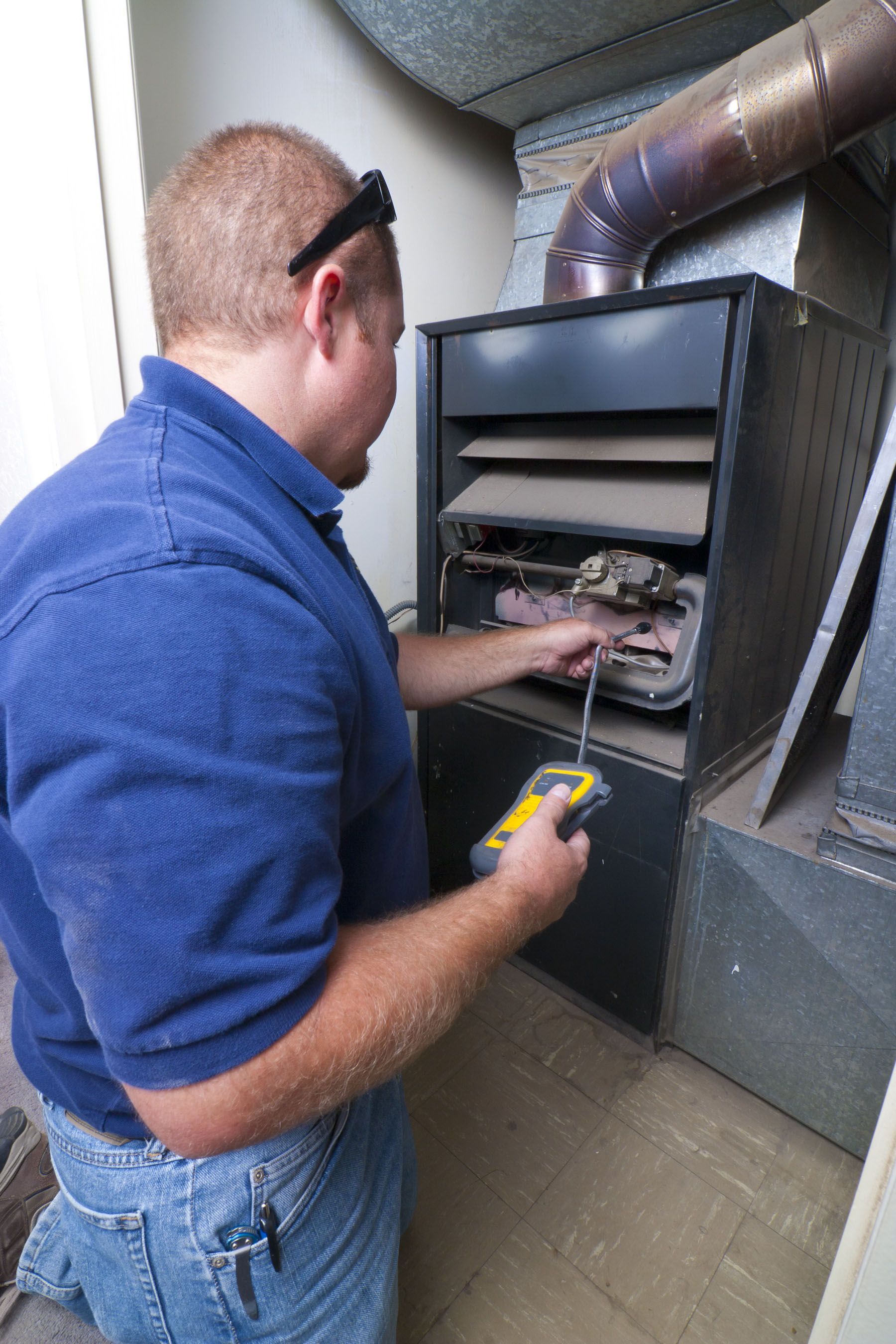
Modern furnaces include safety components designed to respond when operating conditions become abnormal. A technician may inspect limit switches, flame-related controls, pressure switches, and other protective devices to determine whether one has activated or is receiving an improper signal.
These components are easy to overlook because they are not usually visible during normal furnace operation. A safety control that repeatedly trips can be an important clue rather than the root problem itself. During furnace repair, the technician may investigate why the control activated instead of simply resetting it and leaving the underlying condition unresolved.
Safety checks can also include observing how the furnace begins and ends a heating cycle. A technician may watch ignition, burner operation, blower timing, and shutdown behavior rather than relying solely on what the homeowner experienced before the appointment. These observations can help distinguish an isolated event from a recurring operating pattern.
This approach is useful when a homeowner reports a vague symptom, such as the furnace running longer than expected or stopping before the home feels comfortable. Those descriptions provide important clues, but they do not necessarily identify the affected component. Watching the system operate can help connect the reported symptom with what is happening inside the equipment.
Look for Electrical Issues in Unexpected Places
Heating equipment relies on electrical connections and control components that homeowners may never think to inspect. A technician can examine wiring, terminals, relays, capacitors, switches, and other electrical points for signs of wear, loose connections, overheating, or inconsistent operation.
Small electrical problems can create symptoms that seem unrelated to the electrical system. A furnace may struggle to start, stop unexpectedly, or behave differently from one heating cycle to another. Careful furnace repair work can include tracing those symptoms back through the electrical and control systems instead of assuming the most visible component is responsible.
Electrical inspection may also involve checking whether connections remain secure under normal operation. Components can behave differently when the system is running than when it is completely powered down, making operating observations valuable. A technician can use those observations alongside visual inspection and system testing to narrow down the source of an intermittent issue.
Homeowners may never notice these concerns because many electrical and control components are enclosed or positioned away from the areas people routinely access. That is one reason professional diagnosis can be more involved than replacing a visible part. The goal is to understand the sequence of events that causes the symptom and identify the component or condition responsible.
Evaluate Drainage And Moisture
Some heating systems produce condensation as part of normal operation, which means drainage components deserve attention even though they may be outside the main furnace cabinet. A technician may inspect drain lines, traps, pans, and nearby areas for blockages, leaks, or moisture that could interfere with operation.
Water around heating equipment can create more than a housekeeping concern. Drainage problems may contribute to shutdowns or affect other components if moisture reaches places where it does not belong. Checking these areas during furnace repair can reveal a problem that might otherwise be mistaken for a mechanical or thermostat issue.
Drainage deserves particular attention in systems where moisture is part of normal operation. A partially restricted drain may not create an obvious leak at first, yet it can interfere with equipment operation as water accumulates. A technician can inspect the drainage path and surrounding areas for evidence that moisture has been collecting where it should not.
Nearby surfaces can provide clues, too. Staining, dampness, corrosion, or residue may indicate that a drainage concern has been developing for some time. During furnace repair, these signs can help a technician investigate beyond the immediate symptom and determine whether a blocked or poorly functioning drainage component is contributing to the problem.
Consider the Furnace’s Overall Condition
A professional inspection does not necessarily stop after a technician identifies the immediate symptom. The age, condition, maintenance history, visible wear, and operating behavior of the heating system can provide useful context when determining what should happen next.
According to WiFi Talents, furnaces generally remain in service for about 15 to 20 years. That lifespan can vary based on equipment quality, installation, maintenance, usage, and operating conditions, so the age of a furnace is only one factor to consider. A technician may also look for corrosion, unusual sounds, deteriorated components, or other signs that indicate how the system is holding up.
The surrounding installation can provide useful information as well. A technician may observe clearances, visible duct connections, combustion-related components where applicable, and the general condition of accessible areas around the equipment.
Maintenance history can add another layer of context. Previous repairs, recurring symptoms, and changes in operating behavior may help explain why a current issue appeared. Sharing what has happened in the past can make the diagnostic process more efficient and give the technician a better understanding of patterns that may not be apparent during a single visit.
When a furnace starts acting differently, the most useful inspection may involve details that are easy to overlook. Thermostat communication, airflow, safety controls, electrical connections, drainage, and overall equipment condition can all provide clues about what is happening inside the system.
Do not let an unexplained heating problem linger until it becomes harder to diagnose. Schedule an inspection with Cooper Lane Heating & Cooling and get the issue checked from the inside out.