October 26, 2026
Replacing a central heating unit stands among the most critical physical investments a property owner makes to ensure winter safety, household warmth, and long-term energy management. When cold weather approaches, a reliable heating system quietly installed in a basement or utility closet keeps living areas comfortable, protects interior plumbing against freezing, and maintains healthy indoor air movement. However, many property owners view heating upgrades as simple equipment swaps, assuming that replacing an old unit simply requires picking a model off a shelf and hiring someone to connect it to existing utility lines. In reality, modern heating systems are complex mechanical networks that demand precise spatial planning, proper electrical capacity, matched ductwork airflow, and specialized sizing calculations.
Navigating home heating upgrades without thorough preparation often leads to unexpected expenses, operational noise, drafty rooms, and premature mechanical wear. Homeowners frequently discover after the fact that subtle factors—such as equipment physical dimensions, vent pipe placement, air filter accessibility, and system efficiency ratings—exert a massive influence on daily household comfort and monthly power costs. Taking time to understand what happens behind the scenes during a major mechanical upgrade helps property owners ask the right questions, select ideal system features, and avoid common planning mistakes. Exploring the key insights homeowners reflect on after upgrading reveals how evaluating equipment dimensions, matching ductwork airflow, analyzing modern heating efficiency, preparing installation workspaces, understanding indoor air quality accessories, and partnering with certified technicians combine to deliver a smooth, successful heating upgrade.
Evaluating Equipment Dimensions and Sizing Heating Units Correctly
Evaluating physical equipment dimensions and calculating exact heating loads represents an essential preliminary step that many property owners overlook until work begins. A common misconception holds that installing a larger heating unit automatically delivers faster warming and superior comfort during cold spells. In practice, an oversized heating system heats air too quickly, leading to rapid cycling where the burner turns on and off constantly. This rapid cycling creates uncomfortable temperature swings, increases electrical wear, and prevents the system from running long enough to dehumidify or filter indoor air properly.
Conversely, an undersized unit struggles to maintain target thermostat temperatures during extreme winter freeze events, running continuously without bringing warmth to distant rooms. Professional contractors perform detailed load calculations that account for house square footage, ceiling heights, window insulation quality, and local climate patterns. Scheduling a precise furnace installation ensures that new equipment is sized accurately to match your home's thermal requirements, preventing short-cycling noise and optimizing daily operational efficiency.
Matching Ductwork Airflow and Inspecting Existing Sheet Metal Joints
Matching existing ductwork capacity to new variable-speed blower motors ensures that warm air distributes evenly across every room without creating whistling air noises. A heating system relies entirely on a balanced network of supply registers and return air vents to circulate warm air through living quarters. Connecting a modern, high-output heating unit to restricted, leaking, or undersized sheet metal ducts creates high static pressure that forces blower motors to work harder, leading to motor burnout and uneven heating.
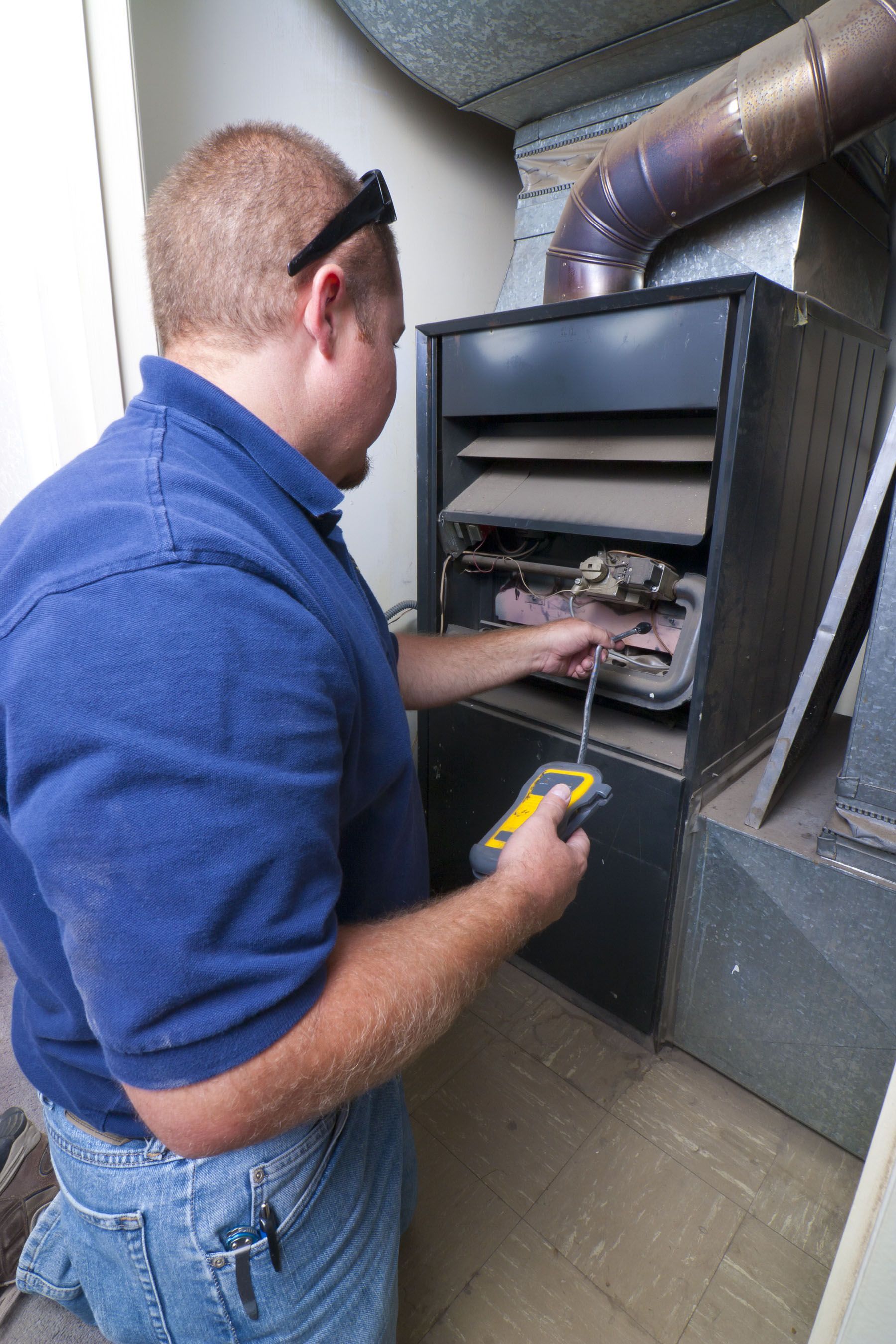
Inspecting ductwork joints for air leaks, crushed sections, or accumulated dust deposits prior to mounting new heating equipment allows technicians to seal seams and adjust airflow dampers. Sealing sheet metal connections prevents warm air from escaping into unconditioned crawlspaces or attic voids before reaching second-story bedrooms. Engaging certified specialists for furnace installation guarantees that ductwork static pressure is measured and adjusted, protecting internal blower components while ensuring quiet, consistent air distribution throughout the residence.
Analyzing Modern Heating Technologies and Tracking Alternative Efficiency Options
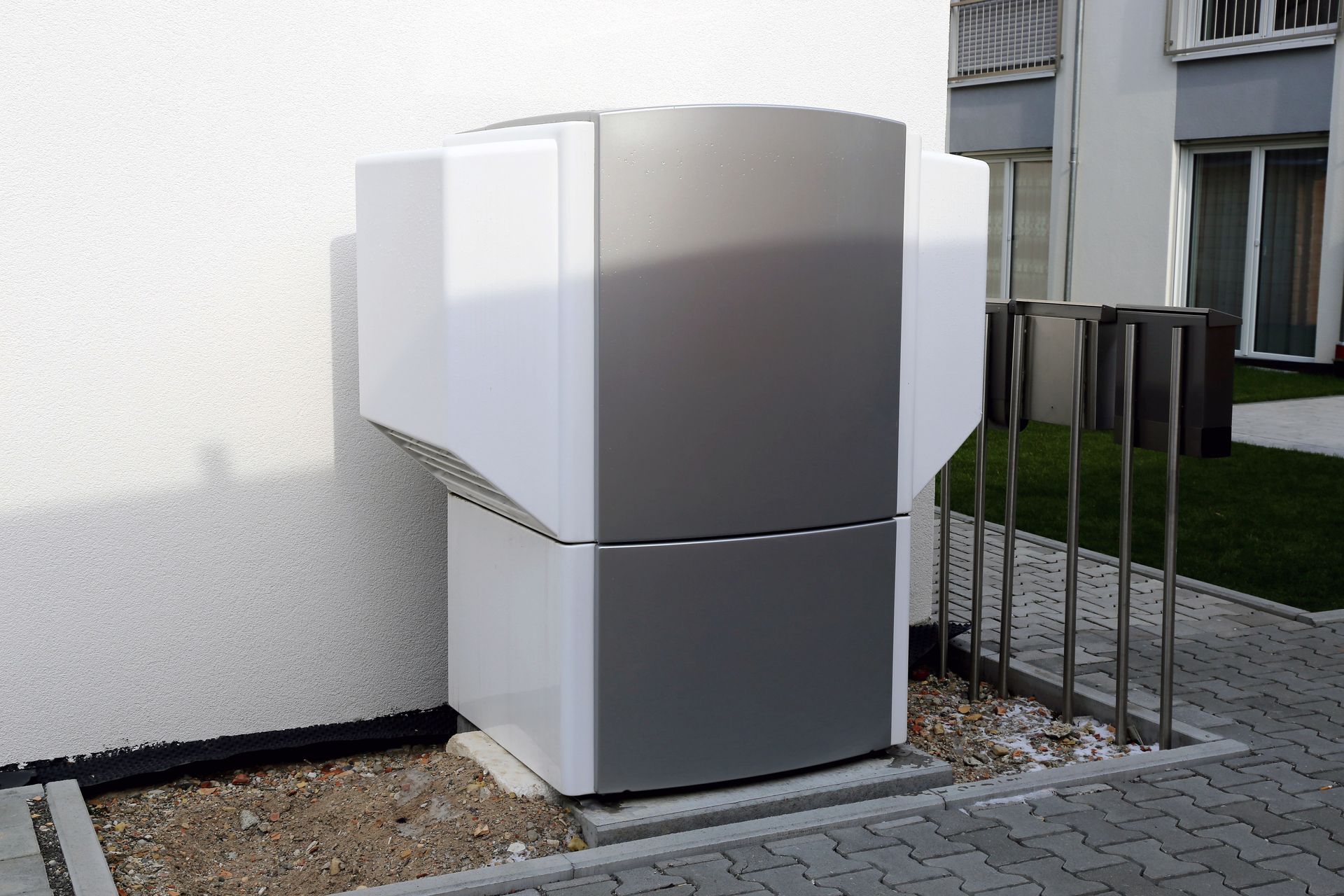
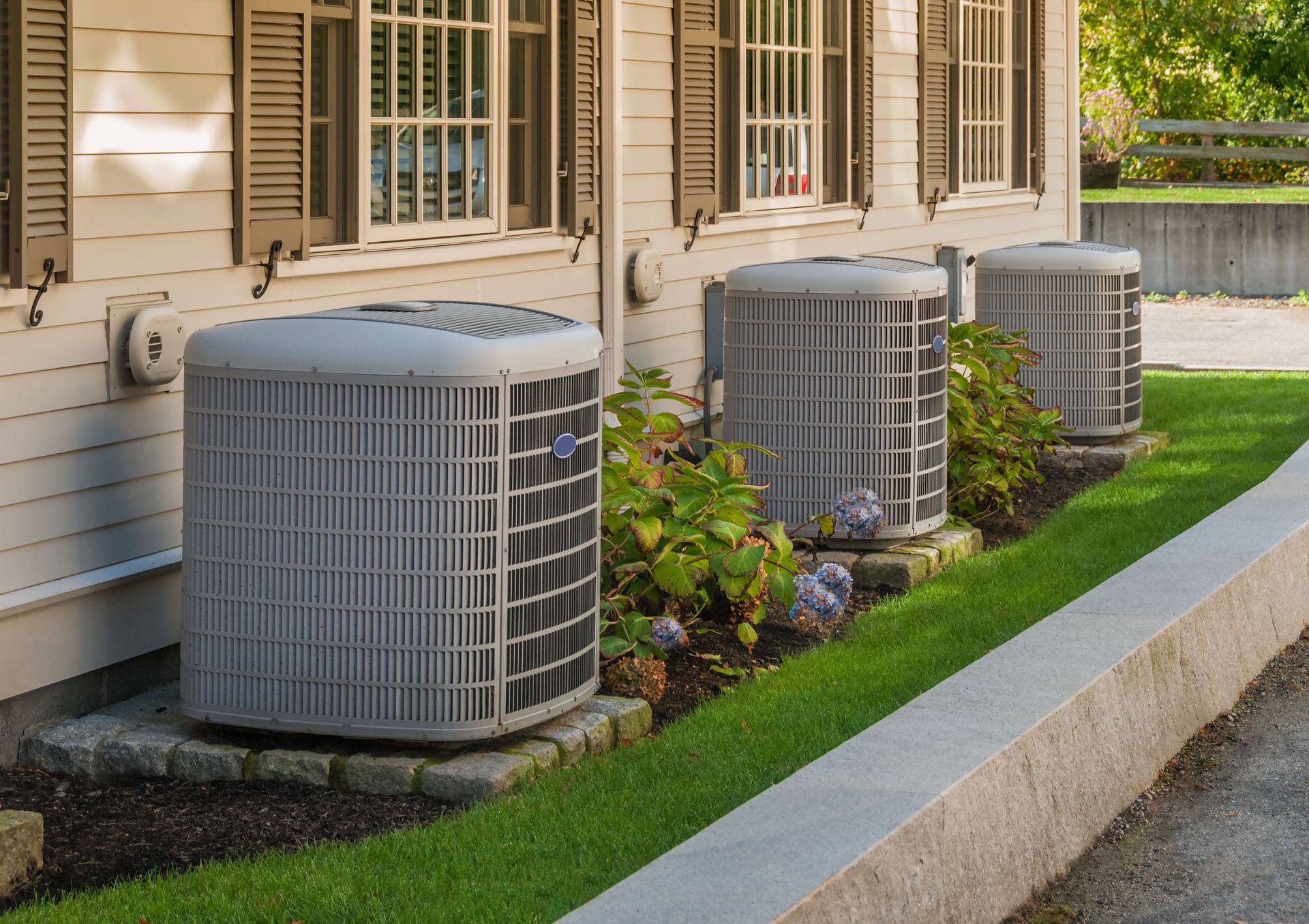
Analyzing modern heating options and comparing traditional gas furnaces to alternative electric heat pumps helps property owners select systems that lower long-term operating costs. Homeowners often default to replacing aging units with the exact same fuel type without exploring how modern dual-fuel setups or cold-climate heat pumps perform. Today’s high-efficiency heating systems feature modulating gas valves and variable-speed fan motors that adjust heat output incrementally to match real-time weather conditions outside.
Industry energy studies highlight the impressive electrical savings achievable when upgrading outdated heating configurations to modern heat pump systems. According to WiFi Talents, heat pumps can reduce electricity use for heating by 50% compared to baseboard heaters. Discussing these technological choices with experienced contractors prior to furnace installation empowers homeowners to make informed investments that align with regional utility rates, home insulation levels, and seasonal energy conservation goals.
Preparing Utility Workspaces and Managing Clearance Requirements
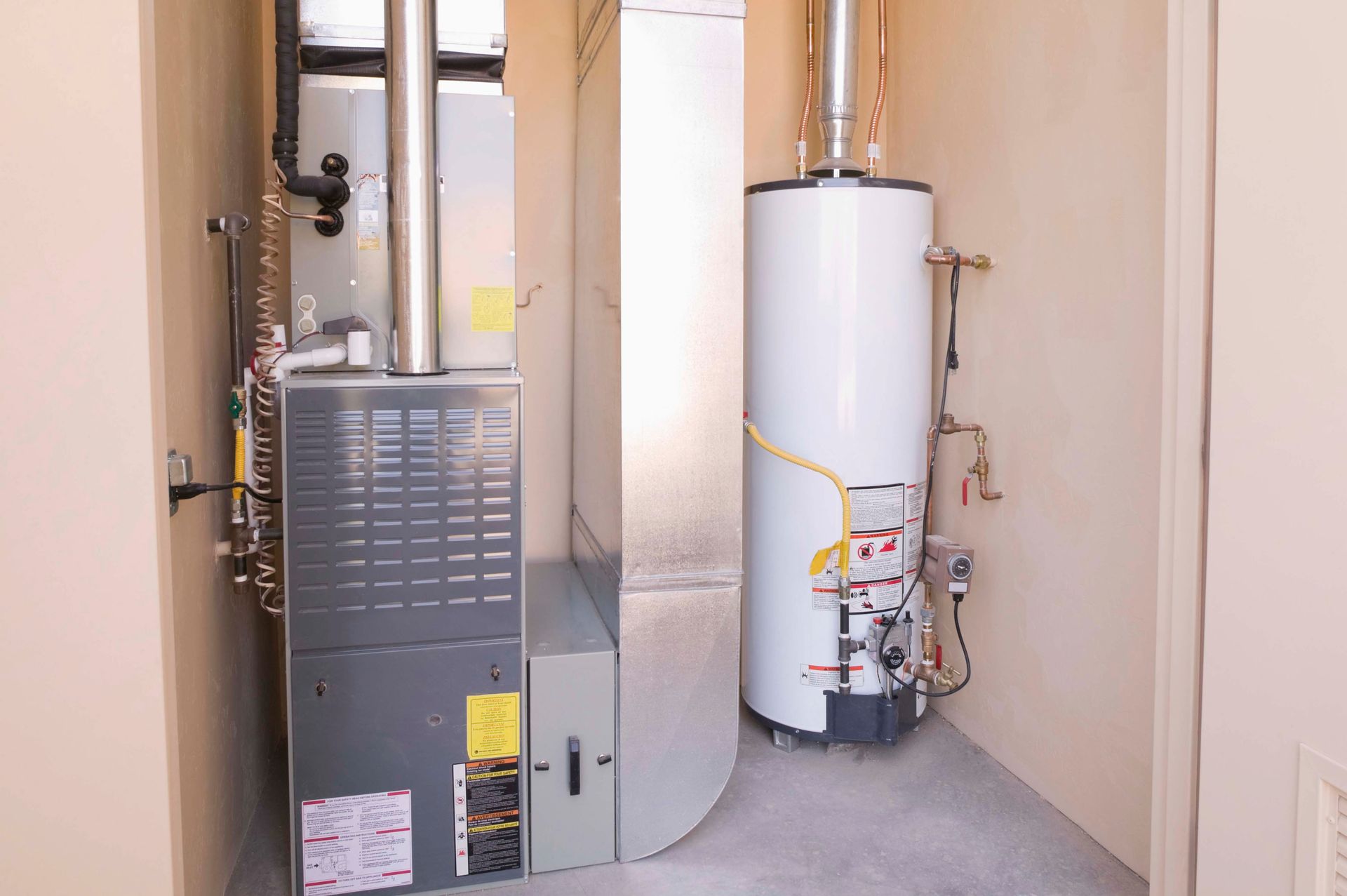
Preparing utility rooms, basements, or attic spaces before installation crews arrive speeds up mechanical work and prevents accidental damage to surrounding property. Heating units require specific clearances around cabinet walls to allow sufficient air intake, safe gas line connections, and open working access for future maintenance checkups. Over years of living in a home, utility closets often become crowded storage areas for holiday boxes, paint cans, and household tools.
Clearing a wide, unobstructed path from entry doors to mechanical closets ensures that installation crews can transport heavy metal cabinets and old equipment safely without scraping walls or damaging door frames. Furthermore, removing flammable materials from around gas supply lines and exhaust vents minimizes safety hazards during brazing and sheet metal fitting operations. Arranging a professional furnace installation includes reviewing physical clearance guidelines beforehand, ensuring that replacement units sit safely within code-compliant mechanical enclosures.
Understanding Indoor Air Quality Options and Upgrading Filtration Components
Understanding how new heating equipment integrates with indoor air quality accessories allows homeowners to create a cleaner, healthier living environment during winter months. Standard air filters primarily exist to catch large dust bunnies and protect internal fan blades from debris accumulation, offering minimal benefit for airborne allergens or microscopic particles. Upgrading to thick media air cleaners, electronic air purifiers, or whole-home humidifiers during a heating system replacement yields superior indoor air quality.
Because winter heating systems dry out indoor air, low humidity levels can cause dry skin, static electricity, and irritated nasal passages. Installing a integrated whole-home humidifier alongside a new heating unit restores optimal indoor moisture levels, making rooms feel warmer at lower thermostat settings. Incorporating indoor air quality upgrades during your primary furnace installation saves labor expenses compared to adding accessories later, delivering fresh, properly humidified air across every living space.
Upgrading a residential heating system represents a major milestone in maintaining home safety, indoor comfort, and financial efficiency across cold winter months. By taking time to evaluate equipment sizing, match existing ductwork airflow, compare modern energy-efficient heating options, clear utility workspaces, and incorporate whole-home air filtration accessories, property owners can avoid common post-installation regrets. Choosing a system that fits your home's unique thermal profile prevents frustrating temperature fluctuations, short-cycling noise, and inflated utility bills.
At Cooper Lane Heating & Cooling, we are deeply committed to elevating your indoor comfort, optimizing your home's energy efficiency, and delivering superior heating solutions through master craftsmanship, high-grade equipment, and dedicated customer care. Our team of certified HVAC specialists brings extensive technical expertise, digital airflow measurement tools, precision sheet metal fitting equipment, and meticulous attention to detail to every complete heating system replacement, ductwork sealing project, heat pump upgrade, seasonal tune-up, and professional furnace installation project we execute across our community. We take immense pride in evaluating your unique home layout, calculating exact heating load requirements, helping you choose ideal filtration accessories, and serving as your trusted climate control partner to bring total physical warmth, low energy costs, and enhanced property value to your residence. Contact us today to schedule your comprehensive heating consultation and discover the true value of working with dedicated local heating specialists.