July 24, 2026
A home's comfort system works hardest when homeowners least expect it, and small oversights can quietly drain both performance and money. Many efficiency problems don't stem from equipment failure but from everyday habits, missed maintenance, and misunderstandings about how heating and cooling systems actually function. The result is higher energy bills, shorter equipment lifespans, and more frequent calls for AC repair than necessary. Understanding where these mistakes happen is the first step toward a system that runs smoothly year-round. Below are the most common efficiency pitfalls homeowners fall into, along with practical guidance for avoiding them.
Ignoring Routine Maintenance Until Problems Arise
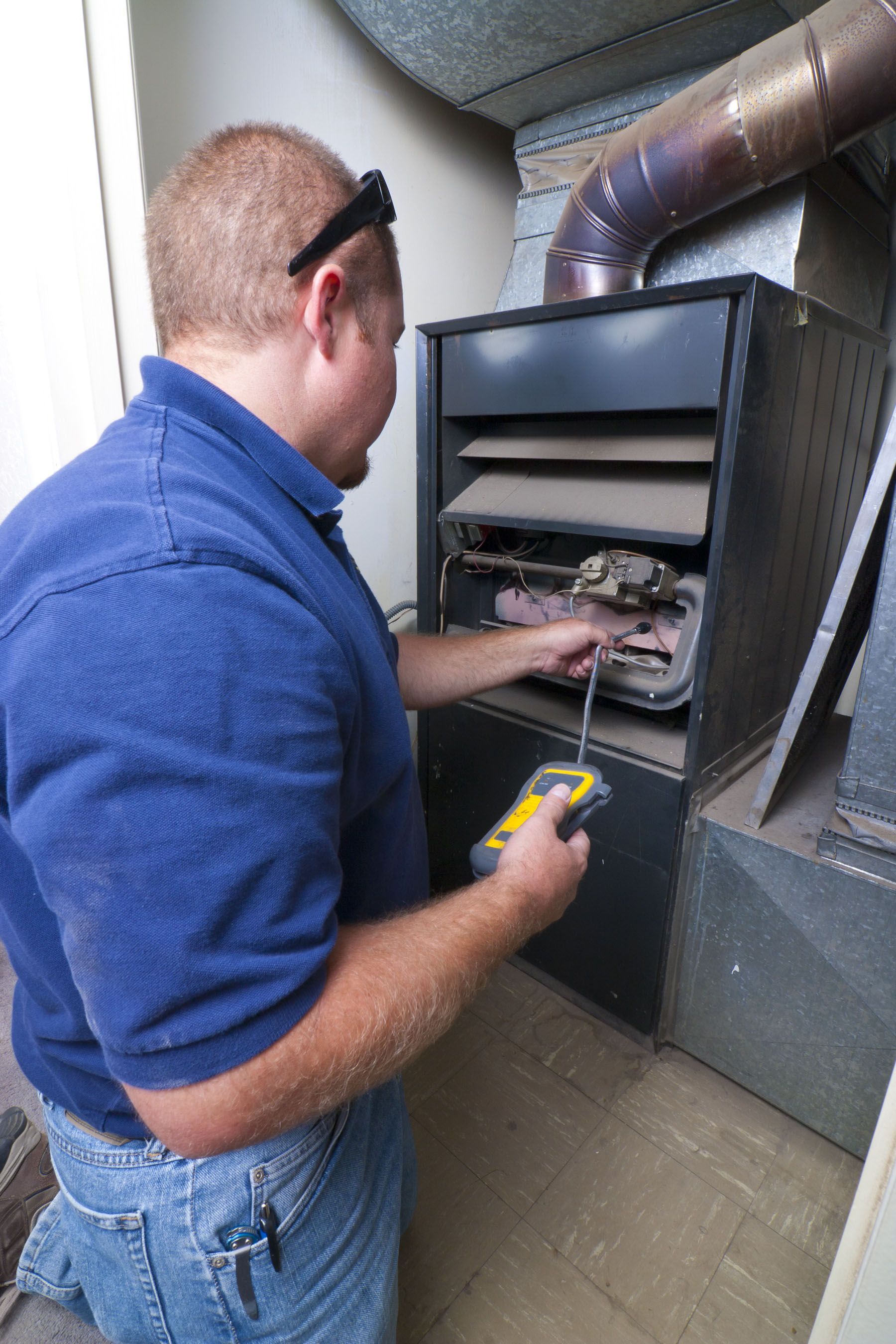
One of the most persistent mistakes homeowners make is treating HVAC maintenance as optional rather than essential. Filters go unchanged for months, coils accumulate dust, and minor issues go unnoticed until they become major ones. This reactive approach almost always costs more in the long run, both in energy waste and in emergency AC repair bills. A system that isn't cleaned and inspected regularly has to work harder to produce the same results, which accelerates wear on critical components. Scheduling seasonal tune-ups with a qualified technician catches small problems before they escalate, keeping the system running at peak efficiency and extending its usable life.
Setting Thermostats to Unrealistic Temperatures
Many homeowners assume that cranking the thermostat to an extreme setting will cool or heat the home faster. In reality, HVAC systems work at a fixed rate regardless of the target temperature, so this habit only forces the unit to run longer than necessary. It also sets expectations that don't match physical reality. According to This Old House, a properly functioning air conditioner can typically drop indoor temperatures by no more than 20 degrees below the outdoor reading. Pushing a thermostat far below that threshold on an extremely hot day won't speed up cooling; it will simply run the system longer, increase strain on the compressor, and drive up utility costs without delivering the comfort homeowners expect.
Overlooking Air Duct Leaks and Damage
Ductwork is often out of sight and, as a result, out of mind. Yet leaky, disconnected, or poorly insulated ducts can waste a significant portion of a system's conditioned air before it ever reaches living spaces. Homeowners frequently attribute uneven temperatures or high bills to the unit itself, when the real culprit is air escaping through gaps in the duct system. Because ductwork runs through attics, crawl spaces, and walls, diagnosing these issues typically requires professional equipment and expertise rather than a simple visual check. Addressing duct problems early prevents unnecessary strain on the system and reduces the likelihood of future AC repair calls caused by components overworking to compensate for lost air.
Delaying Filter Replacement Schedules
A dirty air filter is one of the simplest issues to prevent, yet it remains one of the most common causes of reduced HVAC efficiency. When airflow is restricted, the system has to pull harder to circulate air, which increases energy consumption and puts extra stress on the blower motor. Over time, this added strain can lead to premature component failure and more frequent service calls. Most manufacturers recommend replacing filters every one to three months, though homes with pets or higher dust levels may need more frequent changes. This small task takes only minutes but has an outsized impact on preventing avoidable AC repair needs down the line.
Attempting Complex Repairs Without Professional Training
The rise of online tutorials has led some homeowners to attempt HVAC repairs that require specialized knowledge, tools, and safety precautions. While tasks like changing filters or clearing debris from an outdoor unit are reasonable for homeowners to handle, electrical components, refrigerant lines, and internal mechanical parts are a different matter entirely. Mishandling refrigerant, for example, isn't just risky for the system, it's regulated by federal law and requires certification to handle safely. When homeowners attempt DIY fixes on these components, they often cause additional damage that turns a minor issue into a costly AC repair. Professionals bring not only the technical training to diagnose problems accurately but also the tools to fix them without introducing new risks.
Neglecting Outdoor Unit Clearance and Airflow
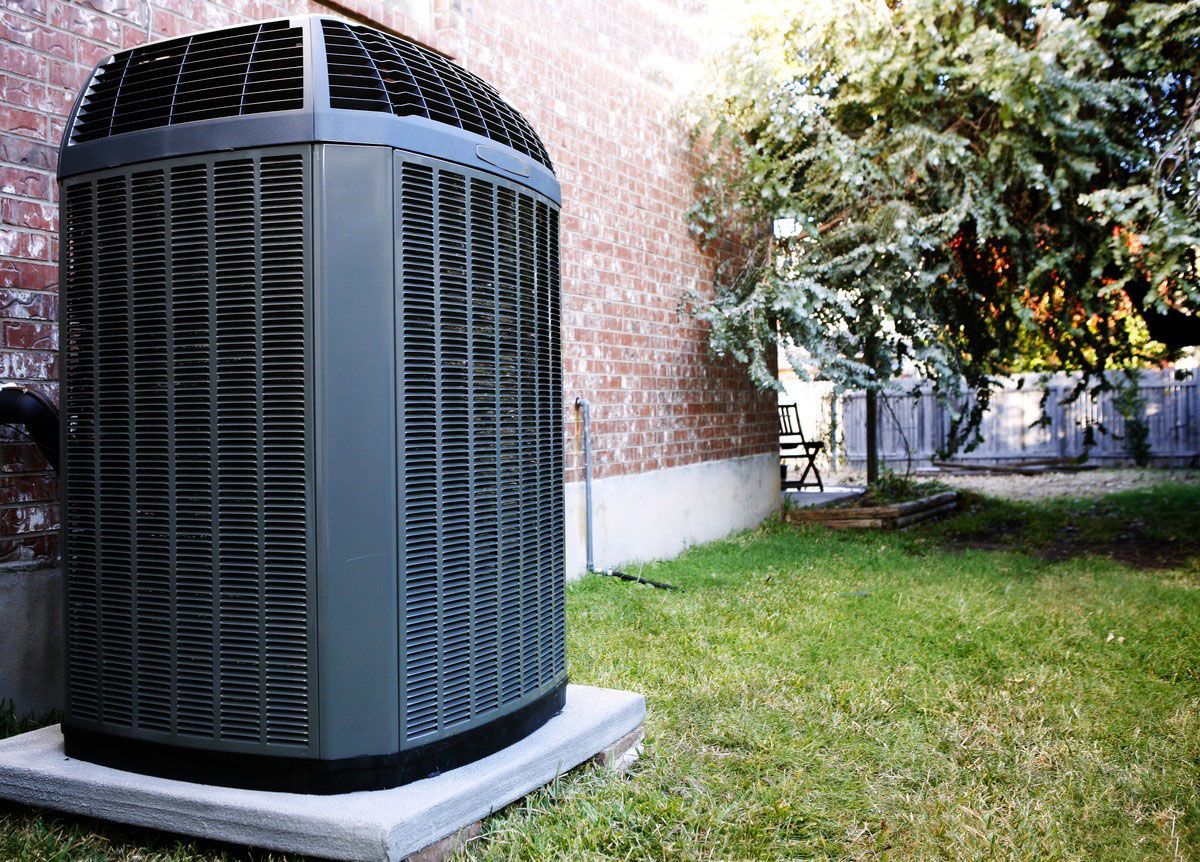
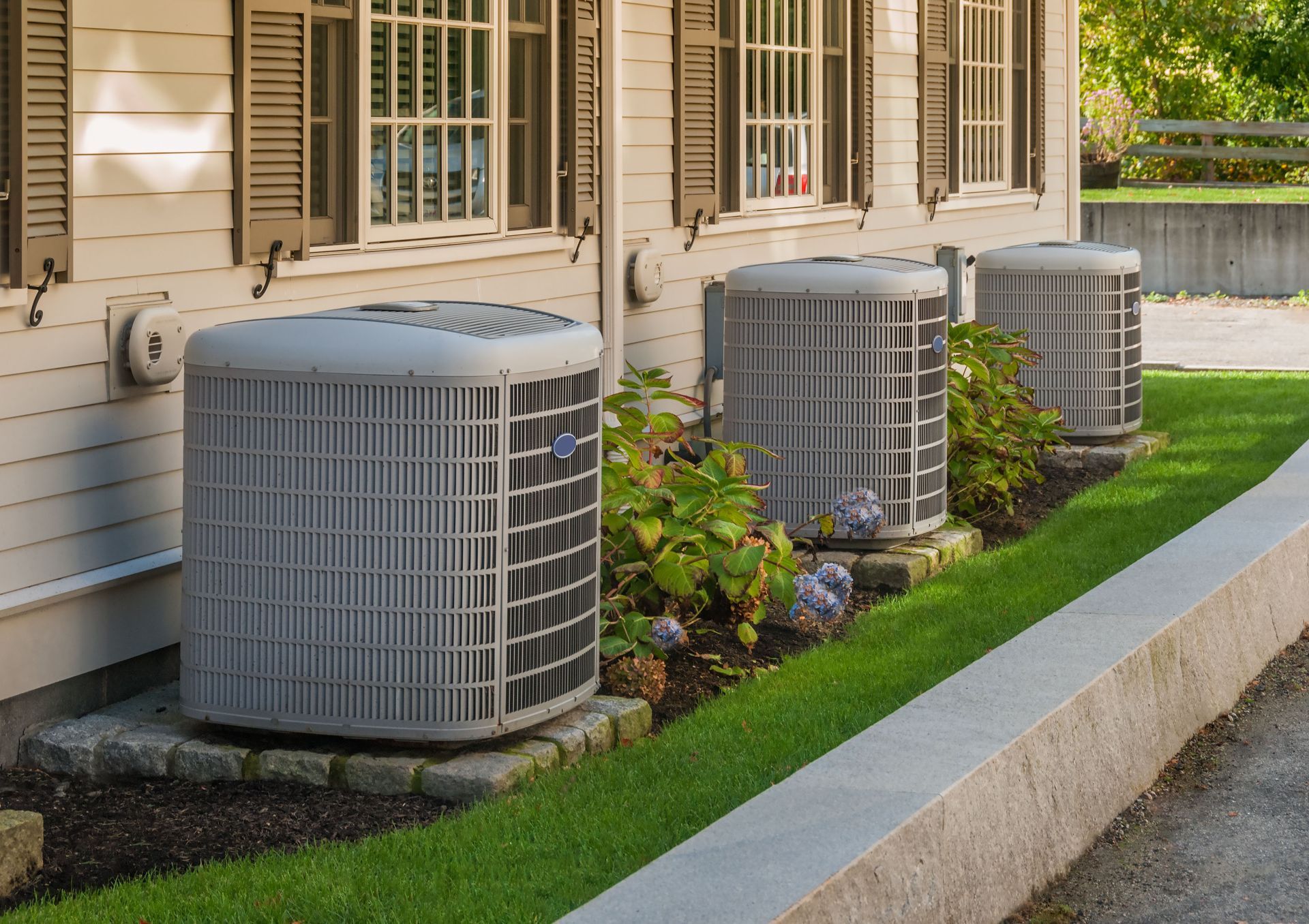
The outdoor condenser unit needs adequate airflow to function properly, yet it's common for homeowners to unknowingly restrict that airflow with landscaping, storage items, or debris buildup. When shrubs grow too close, mulch piles up, or leaves and grass clippings collect around the unit, the system has to work harder to dissipate heat. This added strain reduces efficiency and can shorten the unit's operational lifespan considerably. Maintaining at least two feet of clearance around the unit, along with periodic cleaning of the fins and coils, keeps airflow unobstructed. Homeowners who notice reduced performance despite clear surroundings should have a technician inspect the unit, since internal fan or coil issues can mimic the symptoms of external blockage.
Choosing Improperly Sized Equipment for the Home
Not all efficiency mistakes happen after installation; some begin with the equipment selection itself. An HVAC system that's too large for a home will cycle on and off frequently, never running long enough to properly dehumidify the air or reach consistent temperatures. Conversely, an undersized system will run constantly, struggling to keep up with demand and wearing down faster as a result. Both scenarios lead to higher energy bills and more frequent service needs. Proper sizing requires a load calculation that accounts for square footage, insulation quality, window placement, and regional climate, a process that should always be handled by a qualified HVAC professional rather than estimated based on rules of thumb.
Postponing System Upgrades Past Their Useful Life
Many homeowners hold onto aging HVAC systems well past the point where repairs make financial sense, hoping to avoid the upfront cost of replacement. While this instinct is understandable, older systems lose efficiency year over year, and the frequency of AC repair visits tends to climb as components near the end of their lifespan. At a certain point, the cumulative cost of repairs and elevated energy bills exceeds what a new, more efficient system would cost to own and operate. Technicians can help homeowners evaluate this tipping point by assessing the age, condition, and repair history of the current system, offering a clearer picture of whether continued investment still makes sense.
Skipping Professional Inspections for Minor Symptoms
Strange noises, inconsistent airflow, or slightly higher bills are often dismissed as minor annoyances rather than early warning signs. However, these subtle symptoms frequently indicate developing issues that only get more expensive to fix over time. Homeowners who wait until a system fails completely often face higher repair costs and greater inconvenience than those who address concerns early. A quick professional inspection can identify whether a strange sound is a loose panel or a failing motor bearing, distinctions that matter significantly for both cost and safety. Treating minor symptoms as worth investigating, rather than ignoring, helps prevent small issues from turning into full system breakdowns.
Efficiency problems rarely stem from a single cause. More often, they build gradually through a combination of delayed maintenance, misunderstood system limits, and repairs attempted without the right expertise. The good news is that most of these mistakes are entirely preventable with routine attention and professional support when it's needed most. Homeowners who stay proactive rather than reactive tend to see lower energy bills, fewer surprise breakdowns, and systems that simply last longer.
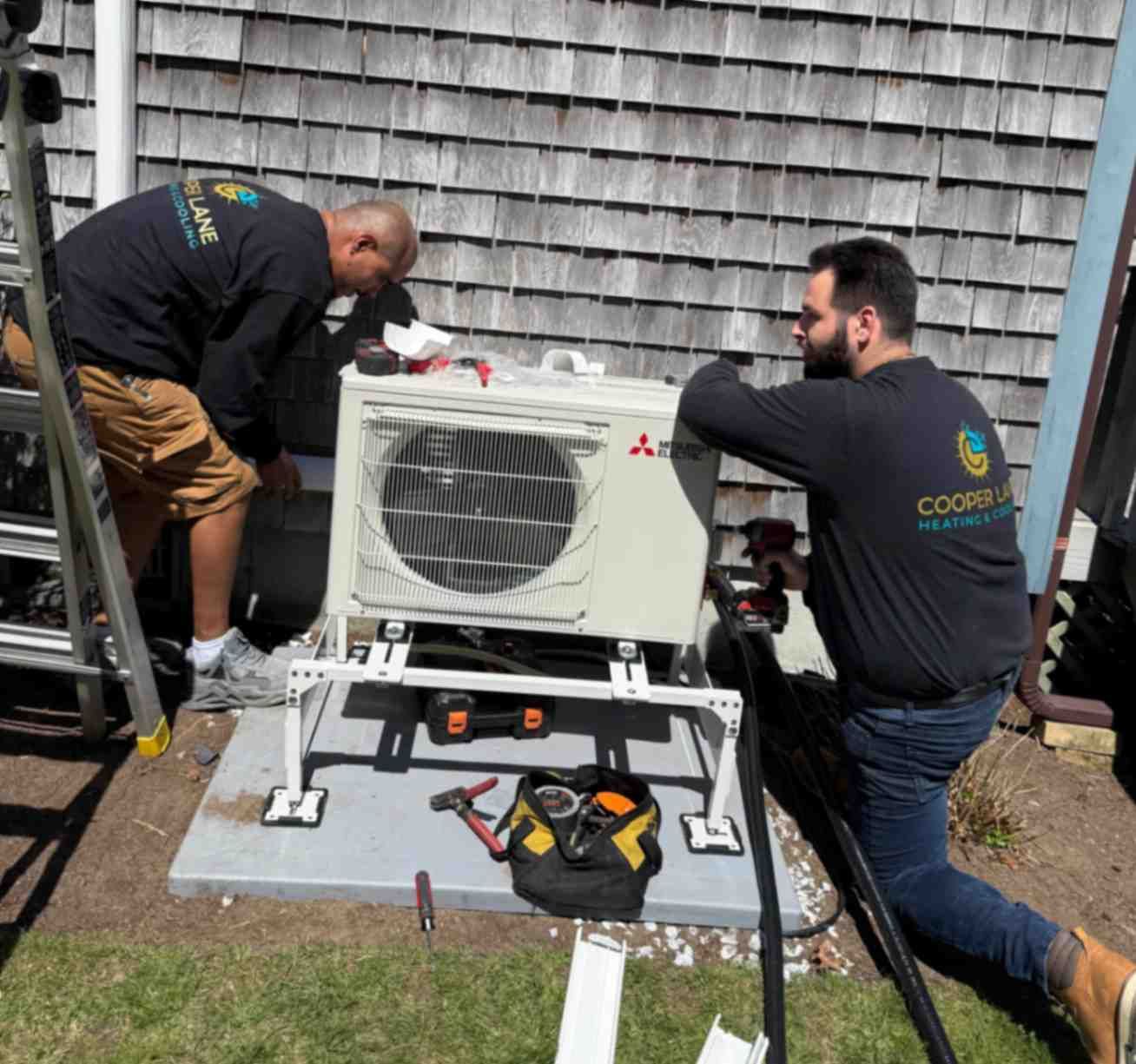
If your HVAC system has been showing signs of inefficiency, or if it's been a while since your last professional inspection or AC repair, we'd be glad to help. At Cooper Lane Heating & Cooling, our technicians can identify the root cause of performance issues and get your system running the way it should. Reach out today to schedule a service visit and keep your home comfortable all year long.