August 20, 2026
Regular HVAC inspections can help identify developing issues before they affect comfort, efficiency, or system operation. During an inspection, professionals look at several parts of a heating and cooling system to understand its current condition and identify areas that may need attention. This article explains what HVAC companies typically check during inspections, from system components and airflow to electrical connections, safety features, and overall performance.
Checking System Components
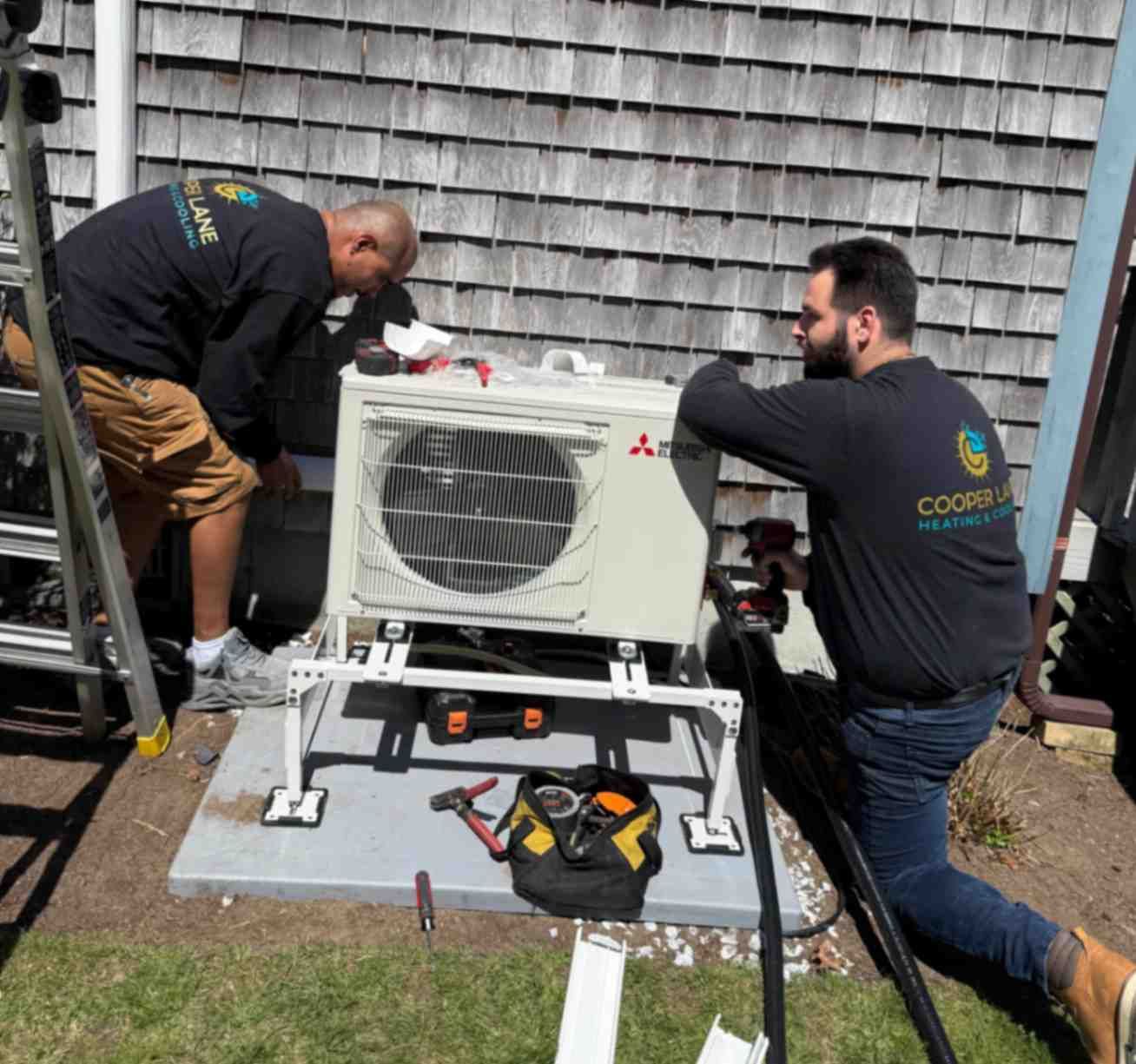
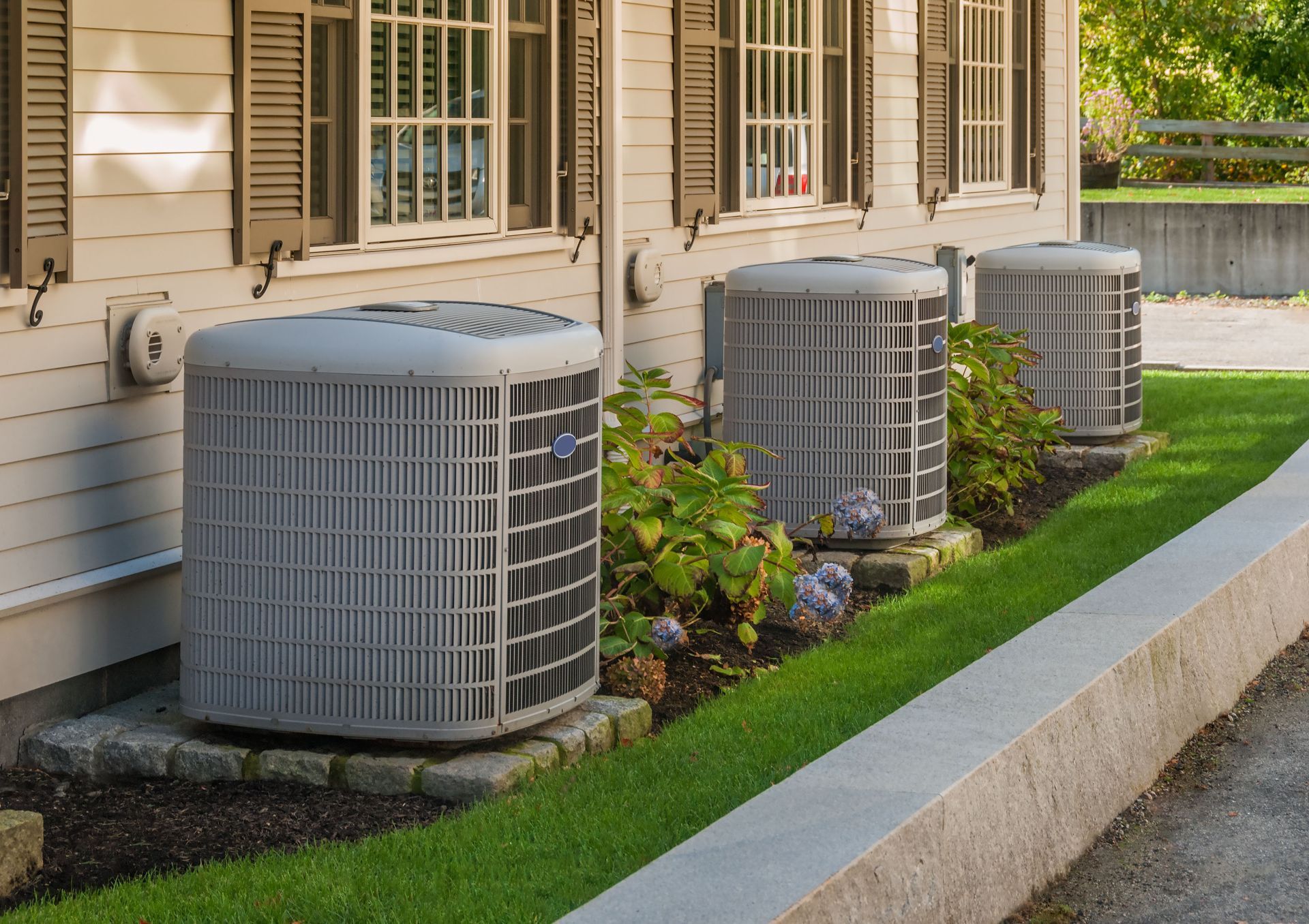
An HVAC inspection typically begins with an overall review of the system. Professionals examine major components to look for visible wear, damage, unusual conditions, or signs that a component may not be operating properly. The exact components checked can vary depending on the type of heating and cooling equipment installed in the property. The inspection may include both indoor and outdoor equipment when applicable. Professionals may also review the condition of connected components that affect how the system operates. Looking at the system as a whole provides useful information about its current condition. This type of assessment allows HVAC companies to identify concerns that may not be obvious during normal system operation. Catching developing problems early can help reduce the chance of unexpected interruptions later.
Evaluating Heating Performance
Heating performance is another important part of an HVAC inspection. Professionals check whether the heating system is producing and distributing heat as expected. They may examine the equipment's operation, temperature output, airflow, and other factors that can affect indoor comfort. Uneven heating can sometimes indicate an airflow problem, equipment issue, or other condition that needs attention. Unusual sounds or changes in system behavior can also provide useful clues about the system's condition. If heating performance has changed, an inspection can help identify possible causes. HVAC companies can evaluate the system and explain whether a concern requires maintenance, repair, or further assessment.
Assessing Cooling Performance
Cooling systems also need to operate properly to maintain comfortable indoor temperatures. During an inspection, professionals may evaluate how effectively the system cools the space and whether air is moving through the property as expected. They may look for signs of poor performance, unusual cycling, inadequate airflow, or other conditions that could affect cooling. Changes in how quickly a property reaches the desired temperature can sometimes indicate that the system needs attention. A professional inspection provides an opportunity to identify these changes before they become more disruptive. HVAC companies can assess cooling performance and determine whether there are issues affecting the system's operation.
Inspecting Airflow
Proper airflow is important for both heating and cooling. When air cannot move through a system properly, certain rooms may feel warmer or cooler than others, and the equipment may have to work harder to maintain the desired temperature. During an inspection, professionals may evaluate airflow through supply and return areas. They can also look for conditions that may restrict or interfere with normal air movement. Airflow concerns can come from several sources, so identifying the specific issue is important. HVAC companies may use the inspection to determine whether airflow is consistent and whether further attention is needed.
Reviewing Electrical Connections
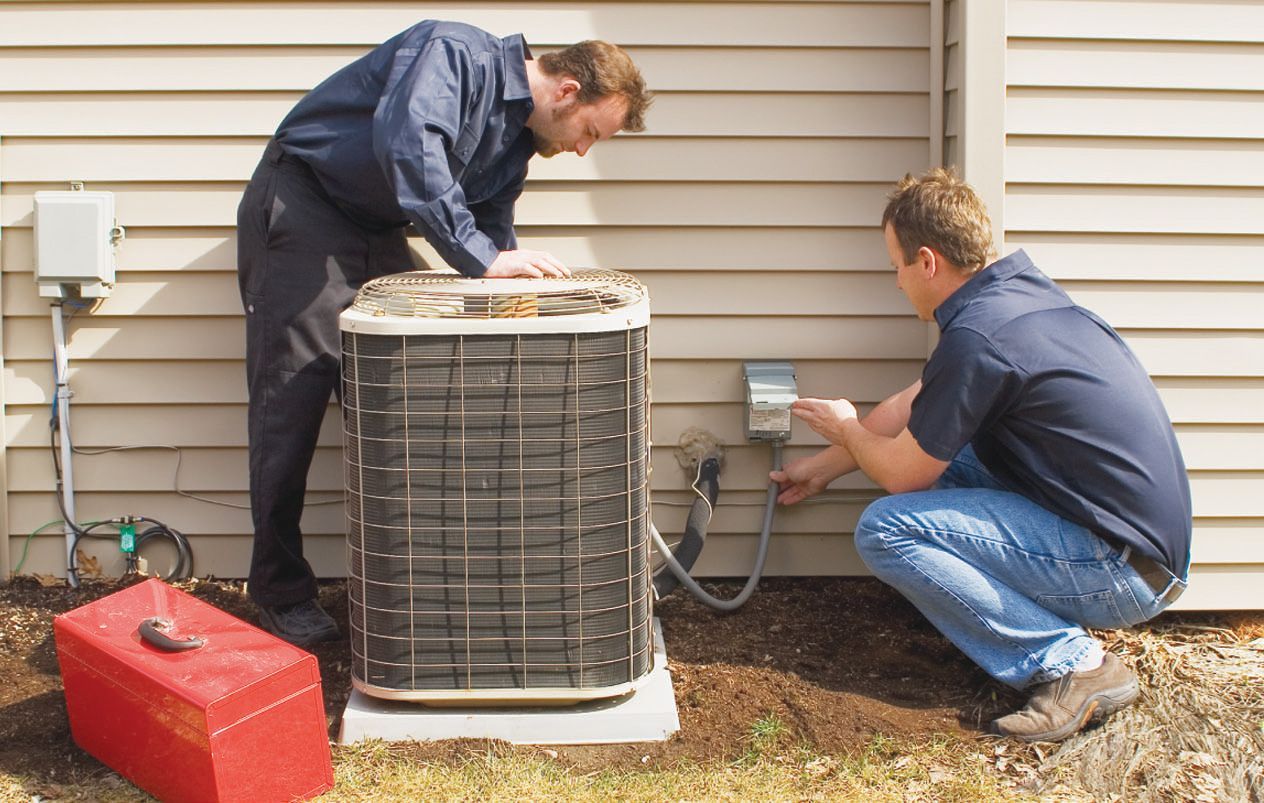
Electrical components are another important part of an HVAC inspection. Professionals can examine wiring, connections, switches, and other electrical components for signs of damage, wear, or other concerns. Loose or damaged electrical connections can affect how equipment operates and may create safety concerns. An inspection gives professionals an opportunity to identify visible issues and determine whether additional evaluation is needed. Electrical components can also change over time as equipment experiences regular use. HVAC companies can review these components as part of a broader inspection to identify conditions that may affect system operation or safety.
Examining Safety Features
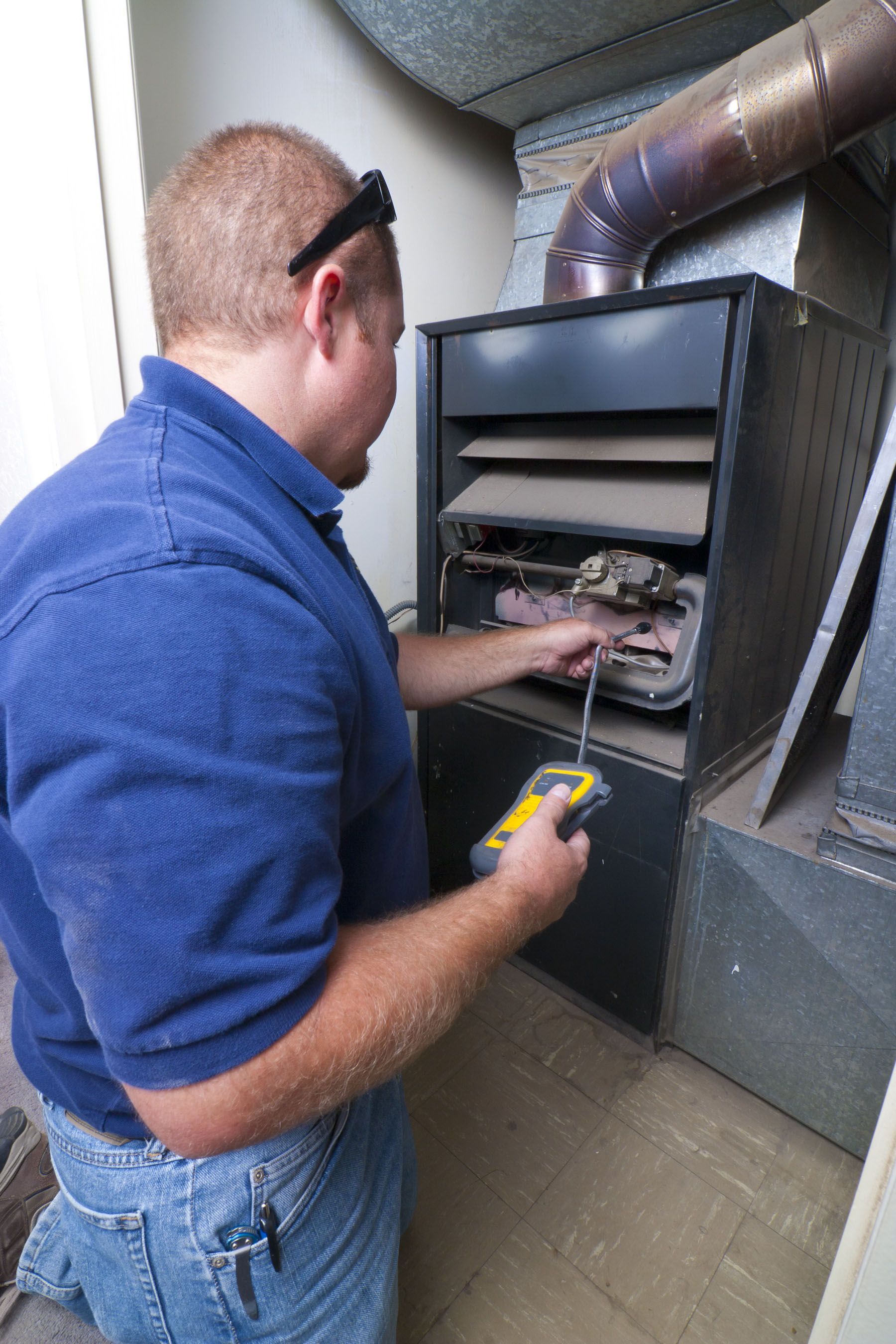
HVAC systems include components designed to support safe operation. During an inspection, professionals can review relevant safety features and look for conditions that may interfere with normal operation. For heating equipment, this may include checking components related to ignition, combustion, ventilation, and other operating conditions. The exact inspection process depends on the type of system and equipment installed. Safety checks are important because some HVAC problems may not be immediately noticeable. A professional assessment can help identify potential concerns and provide information about what may need to be addressed.
Inspecting Air Filters
Air filters can affect airflow and system performance. During an HVAC inspection, professionals may check the condition of the filter and determine whether it is affecting air movement through the system. A heavily loaded filter can restrict airflow and make the equipment work harder. It may also affect how evenly conditioned air moves through the property. Filter condition is just one part of an HVAC inspection, but it can provide useful information about the system's operating environment. HVAC companies may review this area along with other components to better understand overall system performance.
Reviewing Drainage Components
Cooling equipment can produce condensation during normal operation. That moisture needs to move away from the system through the appropriate drainage components. During an inspection, professionals may look at these areas for signs of blockage, leakage, or other problems. Drainage issues can sometimes lead to water around HVAC equipment. If moisture is not moving away properly, it may affect nearby materials or contribute to other concerns. Checking drainage components helps provide a more complete picture of the system's condition. HVAC companies can identify visible drainage problems and explain when professional attention may be necessary.
Evaluating System Age
The age of an HVAC system can provide important context during an inspection. Older equipment may have more wear from years of regular operation, while newer equipment may have different maintenance needs. According to This Old House, HVAC systems can typically last between 15 and 20 years when properly maintained. This means regular inspections and maintenance can play an important role in supporting system performance throughout its useful life. Knowing the approximate age of the equipment also helps professionals put current performance and visible wear into context. When an older system begins showing repeated problems, an inspection can help determine its current condition. HVAC companies can review the equipment and provide information about whether continued maintenance or other options may be appropriate.
Assessing Overall System Condition
An HVAC inspection is not limited to one component. Professionals consider how different parts of the system work together and whether there are signs of developing problems. They may review system performance, component condition, airflow, electrical connections, drainage, safety features, and other factors. Looking at these areas together can provide a more complete understanding of the equipment. This broader assessment can also help identify smaller concerns before they contribute to larger performance problems. HVAC companies can use the inspection findings to explain the current condition of the system and identify areas that may require attention.
Understanding What Inspections Provide
HVAC inspections provide an opportunity to look beyond whether a system turns on and off. A system can continue operating while developing issues that affect efficiency, comfort, airflow, safety, or reliability. By checking major components and reviewing overall operation, professionals can identify conditions that may deserve attention. The findings can also help explain why a system may be producing unusual sounds, uneven temperatures, increased operating costs, or other changes.
Professional inspections are especially useful when an HVAC system has changed noticeably or has been operating for many years. Seeking help from HVAC companies can provide a clearer picture of system condition and help determine appropriate next steps. If your home's heating or cooling system needs a professional inspection, contact Cooper Lane Heating & Cooling to work with one of the most qualified HVAC companies serving the South Coast of Massachusetts.