August 18, 2026
Heating and cooling systems are essential components of modern homes, yet misconceptions abound regarding their cost implications. Many people assume that cooling expenses during summer months greatly surpass heating expenses in winter. However, heating costs can indeed rival those of cooling, shaped by a multitude of factors including climate, efficiency, and energy resources. Exploring these factors will unveil why heating expenses are often underappreciated. This article endeavors to illuminate the cost equations of heating versus cooling and shed light on their impact on households and the environment.
Understand Energy Consumption in Heating vs. Cooling
The nature of energy consumption in heating compared to cooling reflects distinct technical demands. Heating requires the generation and delivery of heat energy, often relying on electricity, natural gas, or oil. In contrast, cooling primarily focuses on removing heat and involves processes like refrigeration and air conditioning. The energy intensity of these processes can vary greatly depending on the technology in use and the efficiency of the system. Understanding these differences is crucial for accurately evaluating the costs associated with each.
The energy demands inherent in heating often surpass those required for cooling, depending on regional climates. In colder climates, heating systems must work intensely to combat harsh outdoor temperatures, thus consuming more energy. Conversely, in hotter climates, cooling systems must operate more frequently, potentially rivaling heating energy requirements. These regional variations highlight the complexity of calculating energy costs and emphasize the importance of local climate conditions. Such considerations are vital in understanding why heating costs can equate to or even exceed cooling expenses.
According to the Department of Energy, heating and cooling represent 43% of the typical household utility expenses. This statistic underscores the significant role both systems play in household energy consumption. With such a large portion of energy use dedicated to climate control, continuous long-term financial implications are obvious for homeowners. Both heating and cooling demand attention for cost-saving efforts, guided by understanding their differing energy requirements. Awareness of these factors can aid in making informed decisions about energy efficiency improvements.
Analyze Seasonal Demand and Usage Patterns
Seasonal variations significantly affect energy demand and usage patterns for heating and cooling. During winter months, energy expenditure on heating spikes as systems operate continuously to maintain comfortable indoor temperatures. Similarly, cooling systems face increased usage during the summer, peaking when temperatures soar. These seasonal peaks prompt discussions on how such fluctuations impact annual energy costs. While some homeowners experience seasonal financial relief, others might face burdensome increases in utility bills.
The predictability of seasonal energy demand offers opportunities for cost savings through strategic planning. By anticipating heightened usage, homeowners can implement measures such as improving system efficiency and upgrading to smart thermostats. These methods help optimize energy use and mitigate seasonal cost impacts. Energy providers often encourage such proactive behavior through incentive programs, illustrating the mutual benefits of better managing demand patterns. As energy consumption varies throughout the year, strategic responses offer effective solutions for cost management.
Behavioral changes can also influence seasonal energy demands, affecting both heating and cooling costs. Making use of natural ventilation, adjusting thermostat settings, and scheduling professional heating repair regularly all contribute to optimized seasonal energy use. By adopting simple yet effective habits, consumers can lower their overall utility costs. Seasonal demand sensitivity requires more than technological fixes; it demands lifestyle compatibility with energy-saving practices. Moving forward, integrating these practices creatively promises to enhance affordability and sustainability in household energy consumption.
Maximize Efficiency of Heating and Cooling Systems
The efficiency of heating and cooling systems directly affects their operational costs, presenting a principal factor in energy expenditure. Older systems, often less efficient, consume more energy to maintain desired temperatures. Understanding system specifications like SEER (Seasonal Energy Efficiency Ratio) for cooling and AFUE (Annual Fuel Utilization Efficiency) for heating becomes crucial. High-efficiency systems, though initially more costly, repay investment through reduced utility bills over time. Thus, efficiency emerges as a key determinant of cost parity between heating and cooling systems.
Technology advancements continually enhance system efficiency, influencing both short-term costs and long-term savings. For instance, modern heat pumps provide an efficient dual-functionality for both heating and cooling. These systems offer compelling case studies on efficiency gains achievable with modern technology compared to older equipment. As efficiency improves, operational energy costs decrease, offering financial relief while simultaneously reducing environmental impacts. Staying updated with technological trends in energy-efficient systems is beneficial for both economic and ecological reasons.
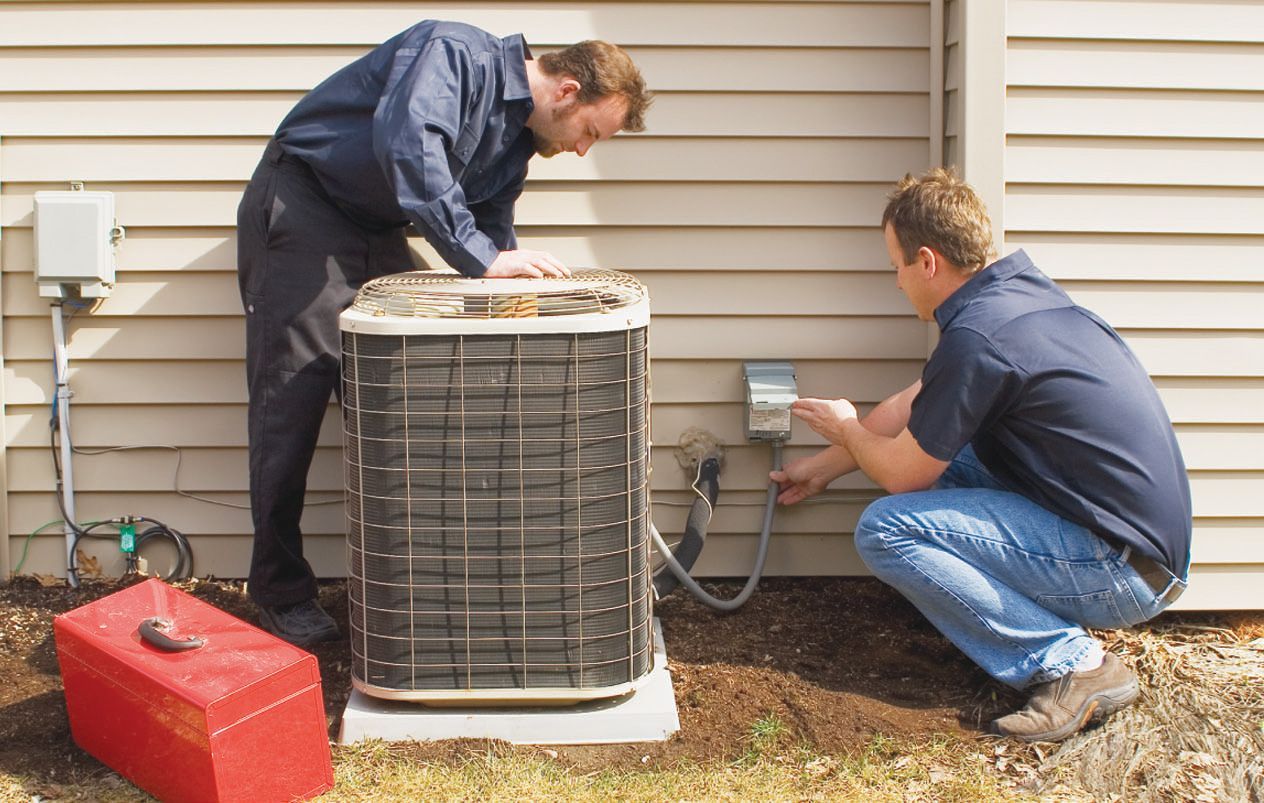
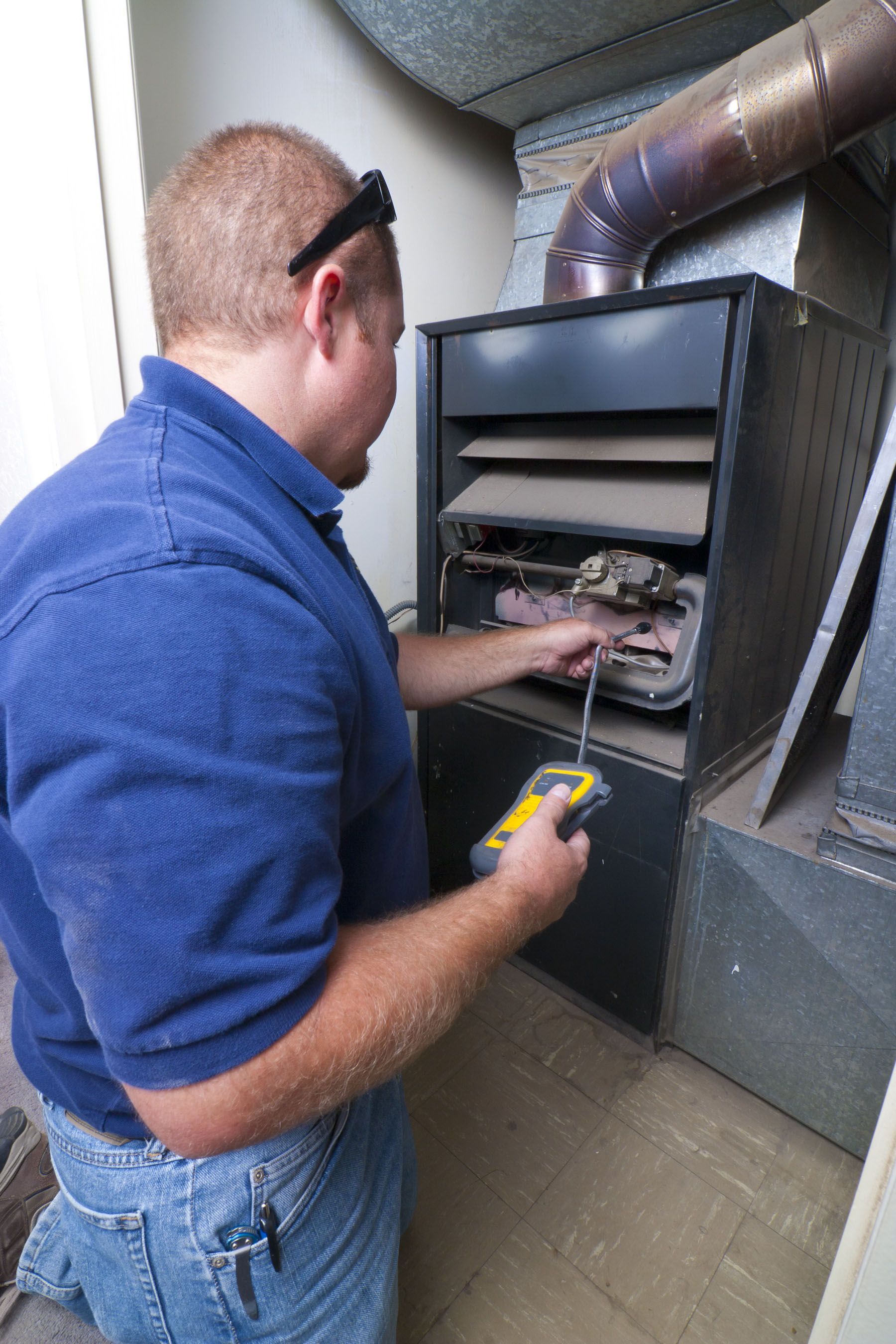
Regular maintenance ensures sustained efficiency of heating and cooling systems, further aiding in cost reductions. Tasks like cleaning filters, checking refrigerant levels, and calling professionals for necessary heating repair are crucial for maintaining efficiency. These practices can prevent significant performance declines and avoid abrupt cost spikes. Recognizing routine upkeep as pivotal in the lifecycle of these systems helps mitigate long-term heating and cooling expenditures. Efficient systems maintained properly underline the potential for cost-effective climate control solutions.
Prepare for Temperature Extremes and Weather Patterns
Severe temperature extremes and unpredictable weather patterns drastically influence heating costs by intensifying energy demands. Harsh winters require heating systems to operate at maximum capacity, elevating energy consumption rates. Increased demand during cold spells can spike individual utility bills, showcasing the financial burden imposed by environmental extremes. Similarly, unanticipated cold snaps instigate abrupt increases in energy utilization. Managing heating costs under such extreme conditions demands flexible energy strategies.
Weather patterns, characterized by increasing unpredictability, present new challenges in managing heating expenditures effectively. Climate change is expected to exacerbate these variations, introducing further complexity to annual energy planning. Preparing for unprecedented cold events involves embracing adaptive strategies such as weather-proofing homes and utilizing auxiliary heating sources. Consistent monitoring alongside up-to-date forecasts can guide efficient heating system usage during severe weather. Understanding and responding proactively to variable weather patterns ensure optimized annual heating costs.
Adapting to temperature extremes also involves engaging with alternative strategies to improve household resilience. Insulation upgrades, smart thermostats, and scheduling timely heating repair for aging units all foster improved energy usage during severe weather. Additionally, community-based energy solutions like district heating systems can offer shared benefits by reducing individual heating costs. Embracing diverse approaches tailored for each unique situation promises optimized outcomes. Engaging analytically with climate challenges expands available opportunities for maintaining affordable heating operations.
Address the Economic Burden on Households
Heating and cooling costs impart sizable financial burdens on households, influencing economic dynamics significantly. With climate control representing a major share of utility bills, the financial impact on households can be substantial. Rising energy costs, market fluctuations, and seasonal demands exacerbate household budget constraints, compelling families to prioritize energy efficiency. Addressing these costs requires multifaceted approaches, integrating technology, behavior changes, and professional heating repair when necessary. Managing the economic impact of heating and cooling remains an important focus for households striving for financial stability.
Socioeconomic status further dictates the ability to adopt cost-saving measures and energy-efficient solutions within homes. Marginalized households might face difficulties investing in newer, more efficient technologies, widening the economic disparity. This discrepancy calls for inclusive policies and community programs promoting access to efficient systems, mitigating economic inequities associated with heating and cooling costs. Facilitating widespread adoption of optimized solutions, particularly within lower-income groups, can alleviate undue financial strain. Addressing energy affordability comprehensively involves empowering diverse segments within communities.
Plan for Long-term Environmental Considerations
Efficiency-driven solutions present valuable potential for mitigating adverse environmental impacts in the context of energy costs. Improvements in system design, technological innovations, and smart energy management reduce wasting resources while achieving desired comfort levels. Ongoing equipment maintenance and timely heating repair also prevent energy waste, keeping systems operating at peak efficiency over their lifespan. Combining smart technology with professional maintenance creates an effective barrier against rising utility costs. Transitioning to sustainable energy practices ensures a cleaner environment and more predictable home energy costs over time.
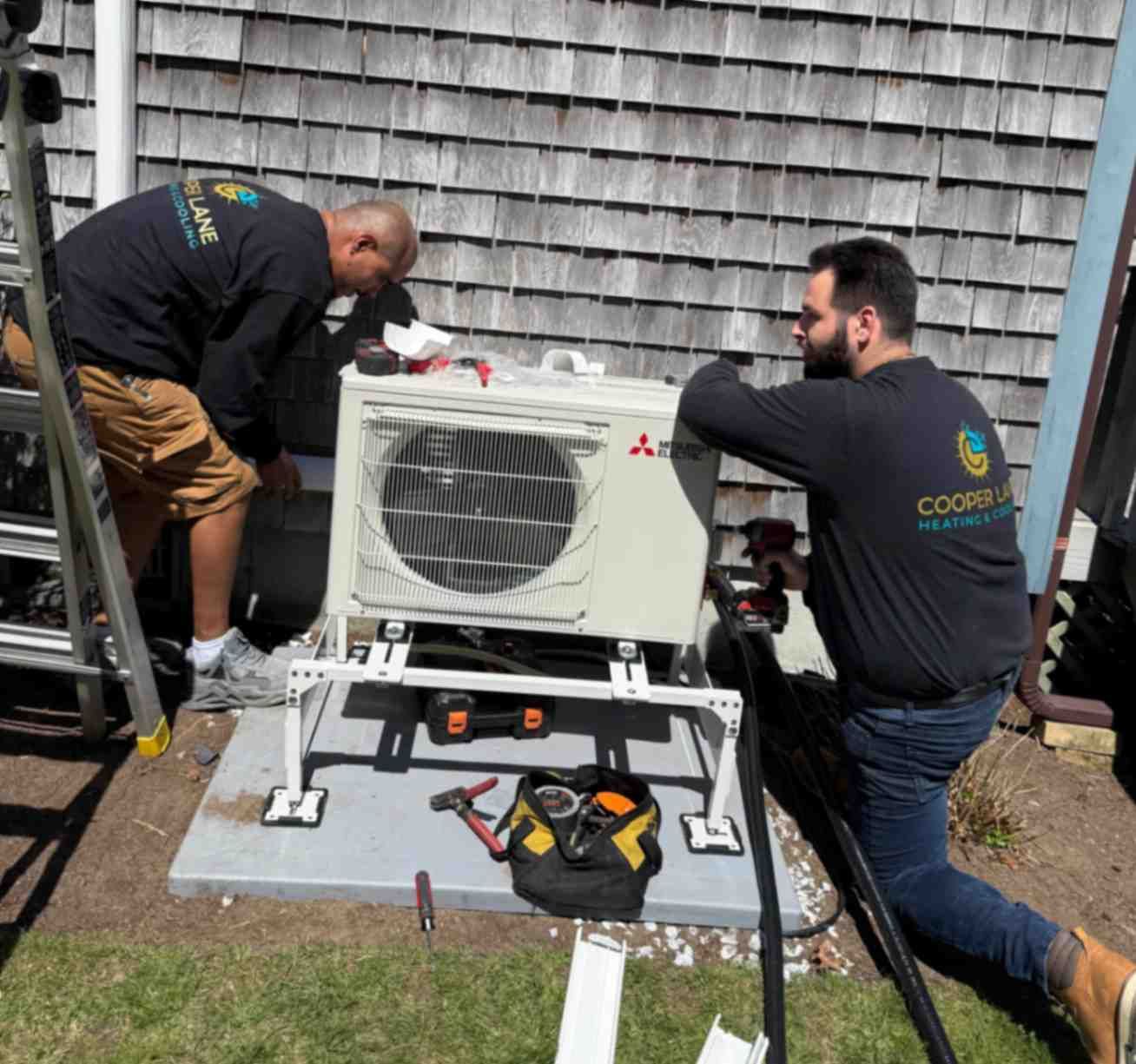
Managing your overall home energy costs requires a balance of routine maintenance, smart usage, and high-efficiency equipment. Whether you need an emergency heating repair or want to upgrade your current system for better seasonal energy efficiency, professional support makes all the difference. We are dedicated to keeping your home comfortable in every season while helping you lower your monthly energy consumption. Contact Cooper Lane Heating & Cooling today to schedule your cooling or
heating repair service or consultation.